Minimalism and the Importance of Zoning: Creating Functional Spaces in Shared Environments
Creating Harmony Through Minimalism
In an era where clutter often overwhelms our living and working spaces, the concept of minimalism emerges as a refreshing approach to design. By embracing simplicity, we can uncover the true potential of our environments, especially in shared spaces. More than just a design trend, minimalism is about making intentional choices that enhance functionality and serenity. This approach resonates particularly well in urban settings where space is at a premium, compelling many to adopt a more streamlined way of living.
However, achieving this ideal requires a critical aspect: zoning. Effective zoning allows us to delineate areas for specific activities, ensuring that each space serves a purpose without the chaos. Here are key elements to consider in this process:
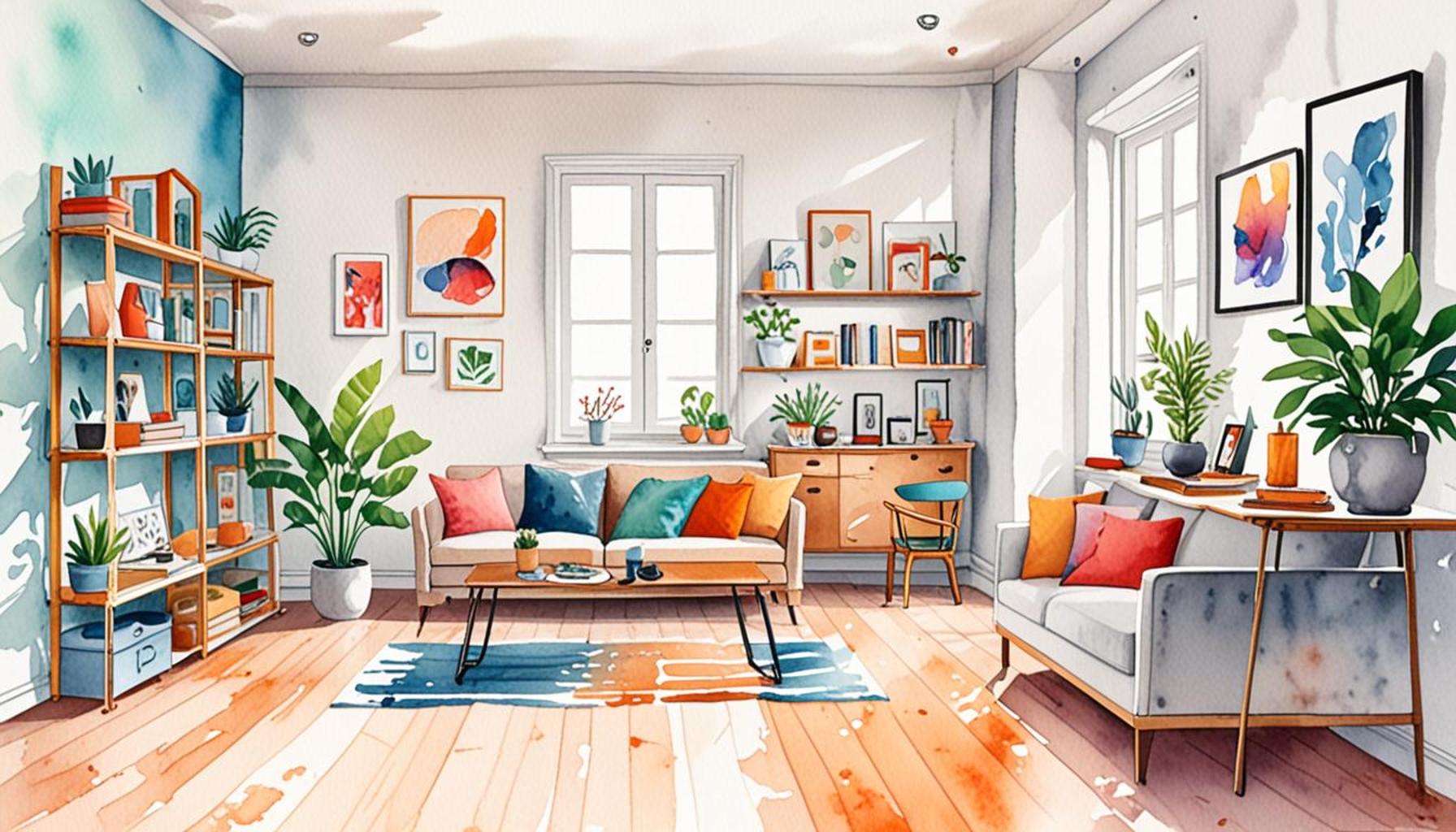
- Defined Areas: Use furniture or decor to create clear boundaries. For instance, a strategically placed bookshelf can separate a living room from a workspace, providing both privacy and a distinctive purpose. In shared apartments, utilizing rugs can also define various functional zones, guiding the eye and the flow of movement.
- Functional Furniture: Opt for multi-use pieces to maximize available space. A coffee table that doubles as storage or a sofa bed enables flexibility, accommodating guests while preserving the minimal aesthetic. American designers like West Elm and CB2 offer innovative options that emphasize functionality without sacrificing style.
- Consistency in Design: Maintain a cohesive aesthetic to promote a sense of harmony. This could involve using a consistent color palette that soothes the senses, such as cool blues or soft earth tones, which help cultivate a tranquil environment conducive to relaxation or productivity.
As more people find themselves sharing environments—whether in homes, offices, or co-living spaces—cultivating a mindful approach to design is essential. The trend of co-living, especially popular in cities like New York and San Francisco, highlights the need for intentional design that caters to communal living without sacrificing individual comfort. By understanding the significance of both minimalism and zoning, we can transform our surroundings into functional oases that cater to our needs.
Moreover, the inclusion of greenery through plants can enrich these spaces, not only contributing to aesthetics but also improving air quality. Incorporating elements of nature aligns well with minimalism, as it fosters a connection between the indoors and the outdoors while maintaining simplicity. The pivotal question remains: how can we balance aesthetics with utility while sharing our spaces? Exploring these strategies leads us to not only understand minimalism better but also to appreciate the profound impact our design choices have on our daily lives.
DIVE DEEPER: Click here to discover more tips
Maximizing Space Efficiency with Zoning
As urban living continues to evolve, the need for efficiently designed spaces has never been more critical. Shared environments, whether they are apartments, co-working spaces, or communal areas, often pose unique challenges regarding space utilization. The art of zoning plays a pivotal role in overcoming these obstacles, enabling individuals to create a sense of organization and purpose. By thoughtfully separating areas for work, relaxation, and socializing, we can enhance both functionality and the overall user experience in these bustling environments.
To delve deeper into how zoning can be effectively implemented, consider the following strategies:
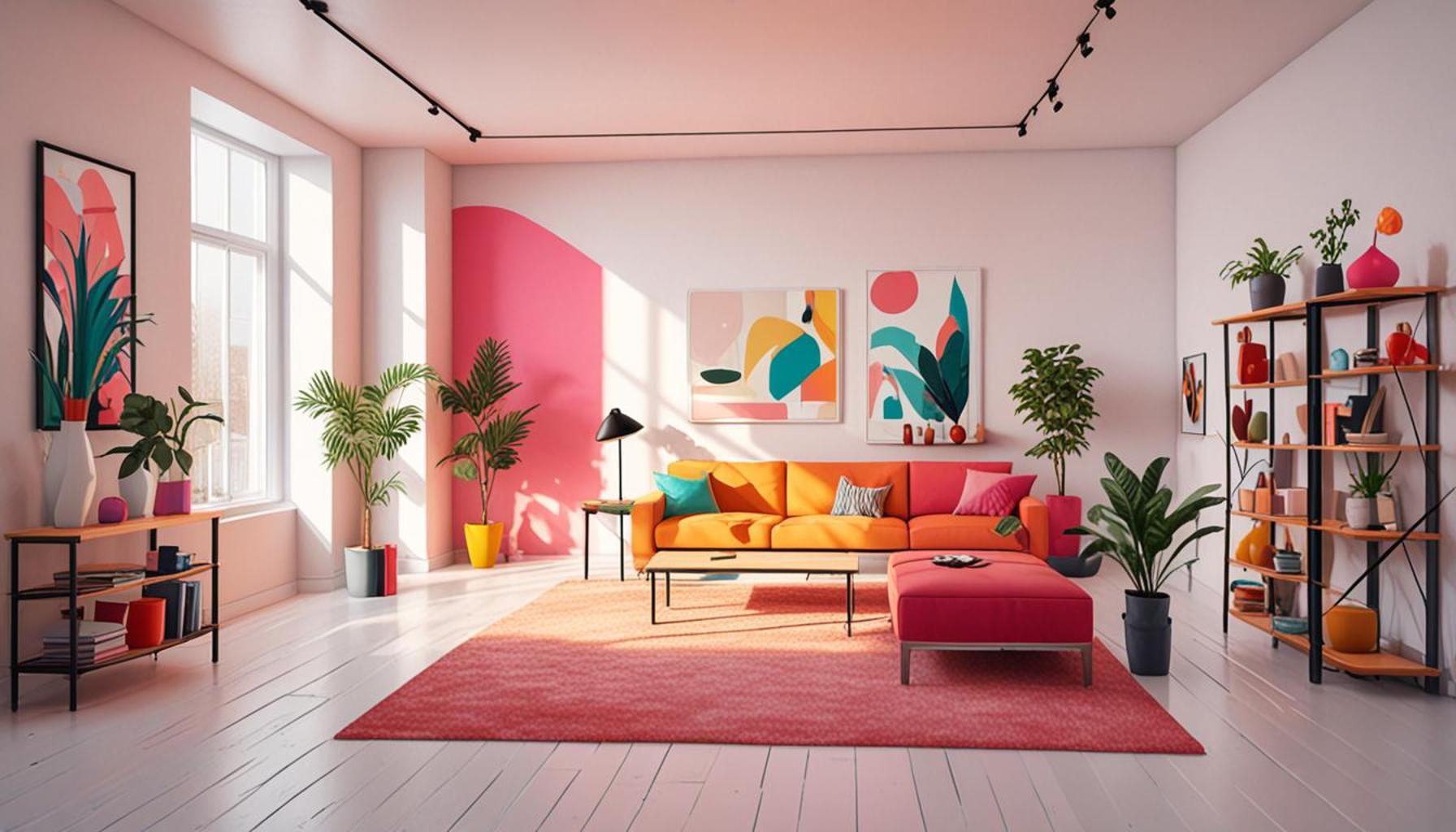
- Visual Separation: Utilize design elements such as paint, wall graphics, or dividers to create distinct zones. A vibrant color on one wall can signal a cozy reading nook, while a muted tone in a shared workspace promotes focus. This approach not only designates specific spaces but also adds aesthetic appeal, ensuring that each area contributes to the overall ambiance.
- Flexible Layouts: Think about how furniture and configurations can be adapted based on activities. Modular furniture pieces can be rearranged to suit different occasions, whether hosting a gathering or needing a quiet space to work. This level of flexibility caters to the dynamic nature of shared living and working environments.
- Layering Textures and Materials: Incorporate various textures and materials to delineate zones subtly. Soft textiles can define relaxation areas, while more durable surfaces might be reserved for workspaces. This thoughtful layering evokes a sense of comfort while upholding the minimalist principle of simplicity.
In addition to these strategies, it’s important to acknowledge the emotional impact that effective zoning can have on residents and users. A well-zoned environment can lead to reduced stress levels and increased productivity, as designated areas foster both focus and the ability to unwind. Research conducted by the National Institute of Health indicates that organized spaces are linked to lower anxiety levels and enhanced mental clarity. Moreover, the movement towards a minimalist lifestyle in settings like co-living spaces reflects a shift in societal values, emphasizing experiences over material possessions.
Furthermore, the rise of remote work has increased the need for tailored zoning within homes. A dedicated workspace can enhance productivity, while a comfortable living area encourages rest. Adopting zoning practices helps to create a balanced environment that meets diverse needs, ultimately leading to a more fulfilling daily experience.
Ultimately, the conversation around minimalism and zoning extends beyond mere aesthetics; it encompasses the broader lifestyle changes that promote well-being and efficiency. As we continue to navigate the complexities of shared environments, embracing these principles can lead us toward creating spaces that are not only beautiful but also functional and harmonious.
Understanding the Core Principles of Minimalism
Minimalism is a design philosophy that emphasizes simplicity, functionality, and clean lines, promoting spaces that encourage focus and tranquility. When applied to shared environments, it becomes essential in mitigating the chaos often associated with communal living and working spaces. Adopting a minimalist approach involves decluttering both physical and visual elements to create a sense of calm. Through the removal of unnecessary items, each piece present in the environment has the potential to serve a purpose, creating a harmonious atmosphere.
The Role of Zoning in Functional Spaces
Zoning is a critical component when designing functional spaces within shared environments. By creating distinct areas for various activities—such as work, relaxation, and socializing—zoning ensures that each space serves its intended purpose effectively. This not only enhances the overall user experience but also encourages productivity and well-being. For example, installing low partitions or using area rugs can demarcate spaces without overpowering the minimalist aesthetic.
Creating Balance Through Design
Striking a balance between minimalism and zoning is no small feat. It requires thoughtful planning and an understanding of how people interact with their surroundings. Factors such as natural light, furnishings, and organization all play a significant role in how spaces are perceived and utilized. Using neutral palettes and multifunctional furniture can not only enhance the visual appeal but also provide the flexibility needed in shared environments. As we explore the depths of minimalism and zoning, it becomes evident that these concepts are not just about aesthetics. They lay the groundwork for creating environments that foster cooperation, enhance communication, and ultimately improve the quality of life for those who inhabit these spaces.
| Minimalism | Zoning |
|---|---|
| Promotes simplicity and functionality | Creates distinct activity zones |
| Enhances focus and reduces distractions | Improves efficiency by organizing activities |
By delving deeper into these principles, individuals and communities can transform their living and working environments into spaces that are not just stylish but also facilitate enhanced interaction and functionality. The marriage of minimalism and zoning in shared spaces sets the stage for a more coherent and enriching experience for everyone involved.
DISCOVER MORE: Click here to start your minimalist journey
Enhancing Community and Connection Through Zoning
In addition to optimizing space efficiency, zoning in shared environments significantly enhances social dynamics and community engagement. As cities grow denser and lifestyles become increasingly intertwined, the way space is utilized can shape interpersonal relationships. Zoning strategies that thoughtfully consider communal areas can facilitate connection among residents, encouraging collaboration and camaraderie.
One effective approach to fostering community within shared environments is the design of common areas. These spaces can serve as the nucleus of social interaction, where individuals gather, share experiences, and form relationships. Incorporating comfortable seating arrangements, inviting decor, and technology for group activities can transform a sterile, utilitarian space into a vibrant hub for connection. Strategic zoning can help cultivate these spaces, signifying to residents that they can come together for various activities, whether it’s a movie night or a yoga class.
Moreover, creating designated zones for different activities—such as quiet meditation zones or lively game areas—recognizes the diverse needs of users. This balance ensures everyone feels welcome, promoting inclusivity and increasing utilization of the shared space. A well-planned layout ensures that noise and activity levels do not disrupt one another, which can be particularly beneficial in co-living situations where individuals may have varying schedules and lifestyles.
Research indicates that spaces designed with social interaction in mind can lead to a greater sense of belonging and satisfaction among residents. A study by Harvard University showcased that when residents feel connected to their community, they experience improved mental health outcomes and resilience. Hence, incorporating zoning principles that bring people together can not only enhance the aesthetics of shared environments but also foster a positive atmosphere conducive to collaboration and social bonding.
Despite the importance of communal spaces, it’s crucial to strike a balance between shared areas and private zones. Individuals living in shared environments often seek solace from the bustle of daily interactions. Effective zoning allows for privacy, giving residents a retreat where they can recharge. Utilizing room dividers or strategic furniture placement can create intimate areas within larger spaces, allowing individuals to enjoy both community and solitude.
As the demand for flexible living and working arrangements grows, recognizing the interplay between zoning and minimalism becomes essential. Minimalism emphasizes simplicity, sustainability, and meaningful connections. By integrating zoning principles into minimalist design, we can craft environments that reflect these values—providing purposeful spaces where activities are clearly defined and where individuals can engage with their surroundings meaningfully.
For example, in a shared apartment complex, a well-placed communal kitchen can serve as a venue for not just meal preparation but also social gatherings, cooking classes, or potlucks, thus highlighting the potential of shared environments to be dynamic and multi-functional. Similarly, co-working spaces can incorporate zones not just for focused work but also for collaboration and brainstorming, equipped with whiteboards and comfortable meeting areas, catering to various professional needs while emphasizing a cohesive work culture.
In essence, the importance of zoning in shared environments transcends mere space utilization; it embodies a holistic approach that prioritizes community, functionality, and the well-being of residents. By innovatively designing spaces that cater to diverse needs, we can create shared environments that are both minimalist in philosophy and rich in experience.
DISCOVER MORE: Click here to start your minimalist journey
Conclusion: The Path to Balanced Living Through Zoning
In a world increasingly leaning toward minimalism, the concept of zoning emerges as a crucial strategy for enhancing functionality in shared environments. By thoughtfully delineating spaces, we can not only optimize physical layouts but also nurture the social fabric that binds communities. The essence of effective zoning lies in its ability to create designated areas that serve specific purposes, thereby fostering not just social interactions but also individual well-being.
As we’ve explored, common areas evolve into vibrant hubs of connection when designed with intent. Communal spaces, equipped with engaging amenities, promote gatherings, learning experiences, and spontaneous interactions. Meanwhile, the inclusion of private zones affords residents a necessary refuge from communal activity, allowing for personal reflection and recharge. This balance between community and solitude lays the foundation for a harmonious living environment, vital for the mental health and overall satisfaction of its occupants.
Furthermore, the adaptability required by contemporary lifestyles necessitates spaces that can transform dynamically in response to user needs. Zoning, when infused into minimalist design, not only highlights the functionality of shared environments but also elevates the user experience through purposeful simplicity. As we craft spaces that embody the principles of minimalism—less clutter, more meaningful connections—we lay the groundwork for communities that thrive on collaboration and mutual support.
In summary, embracing zoning in our shared living spaces represents a pivotal step toward achieving a balanced, functional, and inclusive lifestyle. As urban centers continue to evolve, the integration of these principles will be instrumental in shaping our experiences and reinforcing a sense of belonging among residents. With the right zoning strategies, we can transform ordinary environments into extraordinary spaces that resonate with both practicality and spirit.