Making the Most of Small Spaces: Minimalism Tips for Organizing Your Home

Maximizing Efficiency in Limited Areas
Living in small spaces can present unique challenges, but it also offers a splendid opportunity to embrace minimalism. Many people discover that less truly can mean more when they reduce clutter and focus on what truly matters. By adopting a minimalist mindset, you can create a serene environment that promotes productivity and peace. Beyond just an aesthetic choice, minimalism serves as a practical strategy for enhancing daily living in tight quarters.
Consider the following benefits of minimalism in small spaces:
- Clutter Reduction: Less stuff means less chaos. By maintaining fewer items, you reduce the visual noise in your environment, which can lead to less stress and increased mental clarity. For instance, a well-organized bookshelf with only essential books can become a focal point of calm rather than a source of distraction.
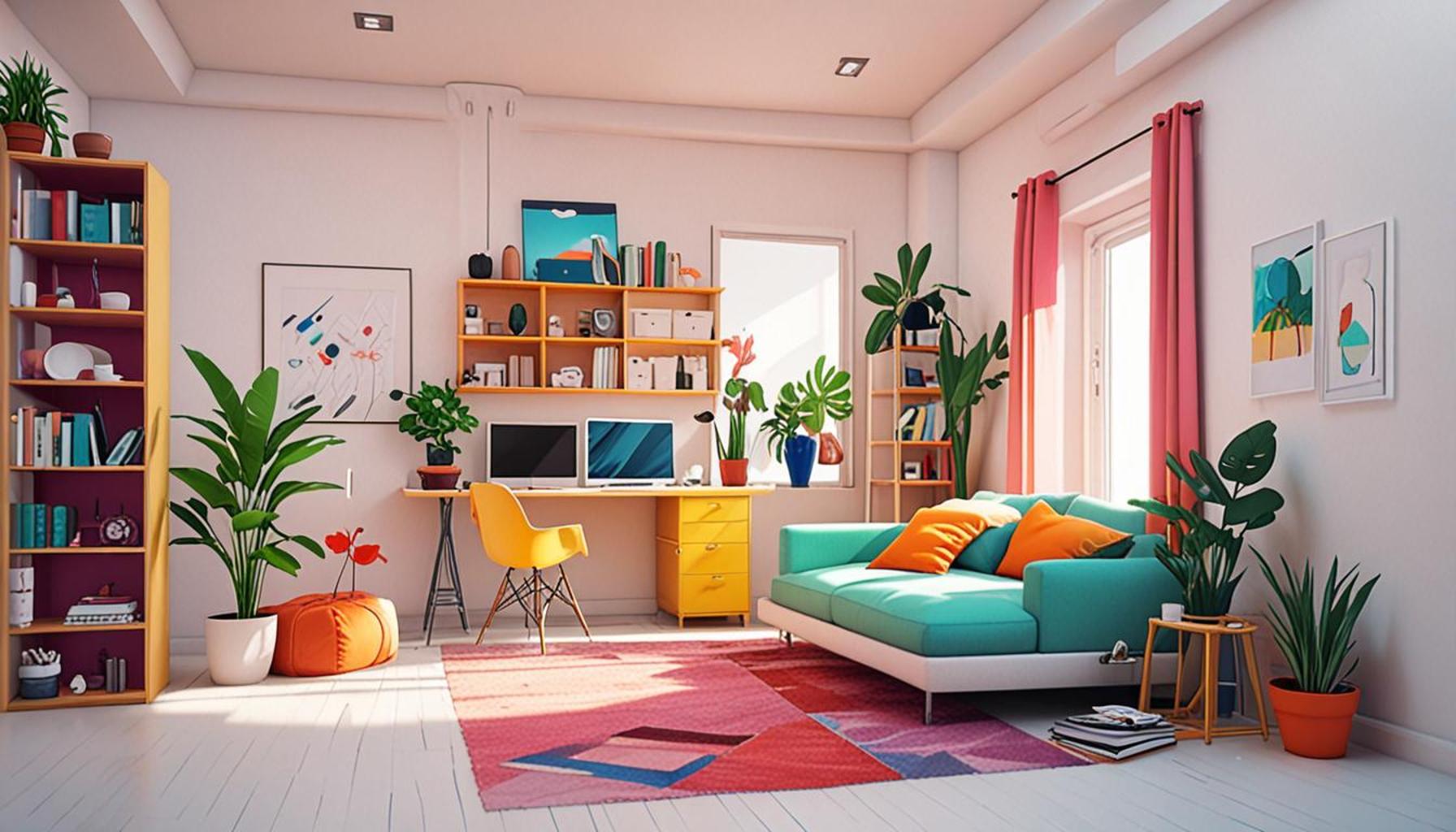
- Increased Functionality: Every item serves a purpose, making space usage more efficient. A well-chosen set of multifunctional furniture—like a sofa that converts to a bed—ensures that each piece plays a vital role in your living space. This practical approach allows homeowners to enjoy greater versatility in their small homes.
- Enhanced Aesthetics: A clean, organized area looks more inviting and spacious. The beauty of minimalism lies in its ability to create an atmosphere that invites creativity and relaxation. For example, a brightly colored accent wall can enhance the perception of space while adhering to a minimalist aesthetic.
Implementing minimalist principles allows you to transform your home into a sanctuary. Whether you reside in an apartment, studio, or a cozy house, small spaces can feel expansive with the right organization techniques. Adopting strategic solutions such as wall-mounted storage or hidden compartments can free up floor space and facilitate a more fluid living arrangement.
This article will explore key strategies to harness the power of minimalism for organizing your home. Topics will include:
- How to declutter effectively: Analyzing every item in your home and deciding whether it adds value to your life can yield surprising results. Techniques like the “one-year rule”—where you assess whether you’ve used an item in the past year—can be instrumental in a successful decluttering process.
- Creative storage solutions: Exploring innovative ways to utilize vertical space and multi-purpose furniture can ensure that no nook or cranny goes to waste. Items like under-bed storage bins or over-the-door organizers can maximize every available space.
- Design tips that maximize visual space: Utilizing light colors, mirrors, and open shelving can create an illusion of more space. Delving into modular furniture options also allows for greater adaptability in small spaces.
Get ready to unlock the potential of every inch in your home while fostering a lifestyle that values simplicity and efficiency. As you explore these minimalist strategies, you’ll not only enhance your living space but also cultivate a new outlook on life—one that embraces freedom from excess and a treasured appreciation for quality and functionality.
DON’T MISS: Click here to enhance your productivity
Unlocking the Art of Decluttering
Decluttering is the cornerstone of minimalism, especially in small living spaces where every square foot matters. To begin this transformative journey, it is essential to assess the possessions that truly serve a functional or emotional purpose in your life. A practical approach is the “one-year rule”; if you haven’t used an item in the past year, it is likely time to let it go. This method not only aids in reducing clutter but also fosters a mindful way of living. You might be surprised to find that many items are retained out of habit rather than necessity.
Here are some actionable steps to help you declutter effectively:
- Start Small: Instead of attempting to overhaul your entire home at once, focus on one area or room at a time. This makes the process less overwhelming and allows for a more thorough evaluation of what you truly need.
- Sort and Categorize: Use boxes or bins to categorize items into “Keep,” “Donate,” “Sell,” and “Trash.” This visual classification will help clarify your decision-making process and reduce the temptation to keep items that no longer serve you.
- Assess Emotional Attachment: Sentimental items can be particularly challenging to part with. Ask yourself if each item brings you joy or serves a purpose in your life. If not, it may be time to consider letting go.
- Make a Commitment: Set clear timelines and goals for your decluttering efforts. Whether it’s aiming to complete one room per week or dedicating a specific time each day, commitment will guide you in the right direction.
While the decluttering process can be emotional, it is an essential first step towards creating an organized and functional living space. Research shows that clutter can lead to increased anxiety and decreased productivity, affecting both mental and physical well-being. By minimizing the items in your home, you create a sense of tranquility and clarity that can enhance your overall lifestyle.
Following decluttering, the next step is to implement creative storage solutions that maximize available space. This becomes increasingly vital in compact living areas where floor space is a premium. Start by exploring vertical storage options, such as shelving units or wall-mounted organizers, that draw the eye upward and create the illusion of a larger, more open area. Innovative furniture solutions—like storage ottomans or multifunctional coffee tables—can simultaneously serve as decor and provide significant practical value.
Through a thoughtful decluttering process followed by strategic storage solutions, your small space can not only become more organized but also more enjoyable to inhabit. As you carefully curate your belongings and adopt a minimalist approach, you pave the way for a life filled with intention and purpose. The rewards of living in a minimalistic space will be evident as you reclaim your home as a sanctuary of peace and efficiency.
Creating Functional Zones in Small Spaces
When you live in a small space, the concept of “functional zones” becomes crucial. Breaking your home into distinct areas based on activities can enhance efficiency and organization. For instance, you can designate specific areas for working, relaxing, and dining, even if they overlap or are in close proximity. Utilizing furniture that can serve multiple purposes is essential in crafting these zones. Consider a desk that can also function as a dining table or using a sofa that converts into a bed for guests. As you create these functional zones, it’s important to embrace the principles of minimalism. This means frequently evaluating your possessions and asking yourself whether they add value to your life. Keeping only the essentials not only generates more space but also encourages a more serene and clutter-free environment, which is vital for mental well-being.
Smart Storage Solutions
With limited space, effective storage solutions can truly transform your home. Utilizing vertical storage options, such as shelves or tall cabinets, maximizes the area while keeping items easily accessible. Employing storage bins under beds or incorporating furniture with built-in storage helps you keep your space organized and tidy. Additionally, utilizing clear storage containers can aid in the visual organization and protection of your belongings. Labeling these containers not only enhances organization but also saves time when searching for specific items. Ensuring every item has a designated home will reduce clutter and allow for a more streamlined way of living.By applying these minimalism tips, you can masterfully organize your home, making it both functional and inviting. This approach not only uplifts your space aesthetically but also improves your quality of life by creating an environment that fosters relaxation and productivity. Embracing simplicity can undoubtedly lead to profound transformations in how you perceive and interact with your living space.
| Category | Description |
|---|---|
| Functional Zones | Areas designed for specific activities, enhancing efficiency. |
| Smart Storage Solutions | Maximizing vertical space and multi-functional furniture. |
DIVE DEEPER: Click here to discover effective strategies
Maximizing Your Space: Innovative Storage Solutions
Once you have successfully navigated the decluttering process, the focus shifts to optimizing the space you have left. In small homes or apartments, traditional storage options may fall short. Embracing innovative storage solutions can dramatically transform these compact areas into efficient and highly functional spaces.
One popular method in minimalist design is the use of multi-functional furniture. This type of furniture plays a dual role, combining style and functionality. For instance, a bed frame that incorporates built-in drawers can eliminate the need for bulky bedside tables while providing ample storage for linens or out-of-season clothing. Similarly, a dining table that expands to accommodate guests yet remains compact for daily use epitomizes the art of functionality in small spaces.
Another ingenious option is the incorporation of underutilized vertical space. Often, the areas above our heads are ignored, leading to wasted opportunities. Floor-to-ceiling shelving can house books and decorative items while utilizing wall space efficiently. Consider adding pegboards in kitchens or home offices, turning blank walls into functional areas for displaying items or organizing tools. This not only frees up counter space but also makes room for creativity in design.
Creative storage can also extend to less conventional areas of your home. For example, the space under the stairs often goes unnoticed. By installing built-in shelves or cabinets, you can turn this awkward area into a useful storage nook, concealing items out of regular view while maintaining easy access. Similarly, using your ceiling space by hanging bicycles or seasonal gear can clear up valuable floor space, optimizing every inch of your home.
Additionally, utilizing clear bins and labels can elevate your organizational game. Clear storage containers enable you to quickly identify their contents, while labeling helps maintain order. This strategy is particularly beneficial in closets and storage rooms where numerous items may be stacked. By categorizing and labeling, you streamline the retrieval process, reducing clutter once you have the organization in place.
Adopting a minimalist approach also means being mindful of aesthetics. Choose a cohesive color palette and consider the visual weight of furniture. Light colors and sleek designs can make a room feel more spacious. Furnishings with exposed legs create the illusion of openness, while low-profile designs can enhance visual flow, making small areas feel larger and more inviting.
The beauty of these innovative storage solutions lies in their ability to enhance efficiency without sacrificing style. Applying these strategies not only allows for a better-organized environment but also results in a more soothing atmosphere. Embracing minimalism doesn’t mean compromising on comfort or style; rather, it offers a chance to rediscover your space—stylish, organized, and free of unnecessary clutter.
DISCOVER MORE: Click here to dive into mindfulness and organization
Conclusion: Embracing Minimalism in Small Spaces
In a world where space often comes at a premium, the importance of making the most of small spaces cannot be overstated. By adopting a minimalist approach, you can effectively transform cluttered environments into serene havens that promote relaxation and productivity. The journey toward achieving an organized home begins with mindful decluttering, followed by the strategic implementation of innovative storage solutions that utilize every nook and cranny.
The integration of multi-functional furniture and the savvy use of vertical space exemplify the creativity required to maximize efficiency without sacrificing style. Understand that each item in your home should serve a purpose or evoke joy, aligning with the core principles of minimalism. Beyond practical measures, the aesthetics of your environment play a crucial role; a coherent design, light color palettes, and strategic furnishings can create an illusion of greater space, inviting an air of calm.
As you venture into the world of minimalism, remember that this lifestyle encourages exploration and personalization. Research various organizational systems, engage with design communities, and consider your unique needs and preferences. With a commitment to fostering simplicity, you not only achieve a more functional home but also cultivate a space that reflects your values and aspirations.
Ultimately, the journey towards organizing your home is not just about eliminating excess but about embracing a lifestyle that celebrates clarity and intentionality. By thoughtfully employing these minimalism tips, you will find joy in small spaces, transforming them into extraordinary areas that inspire and uplift.