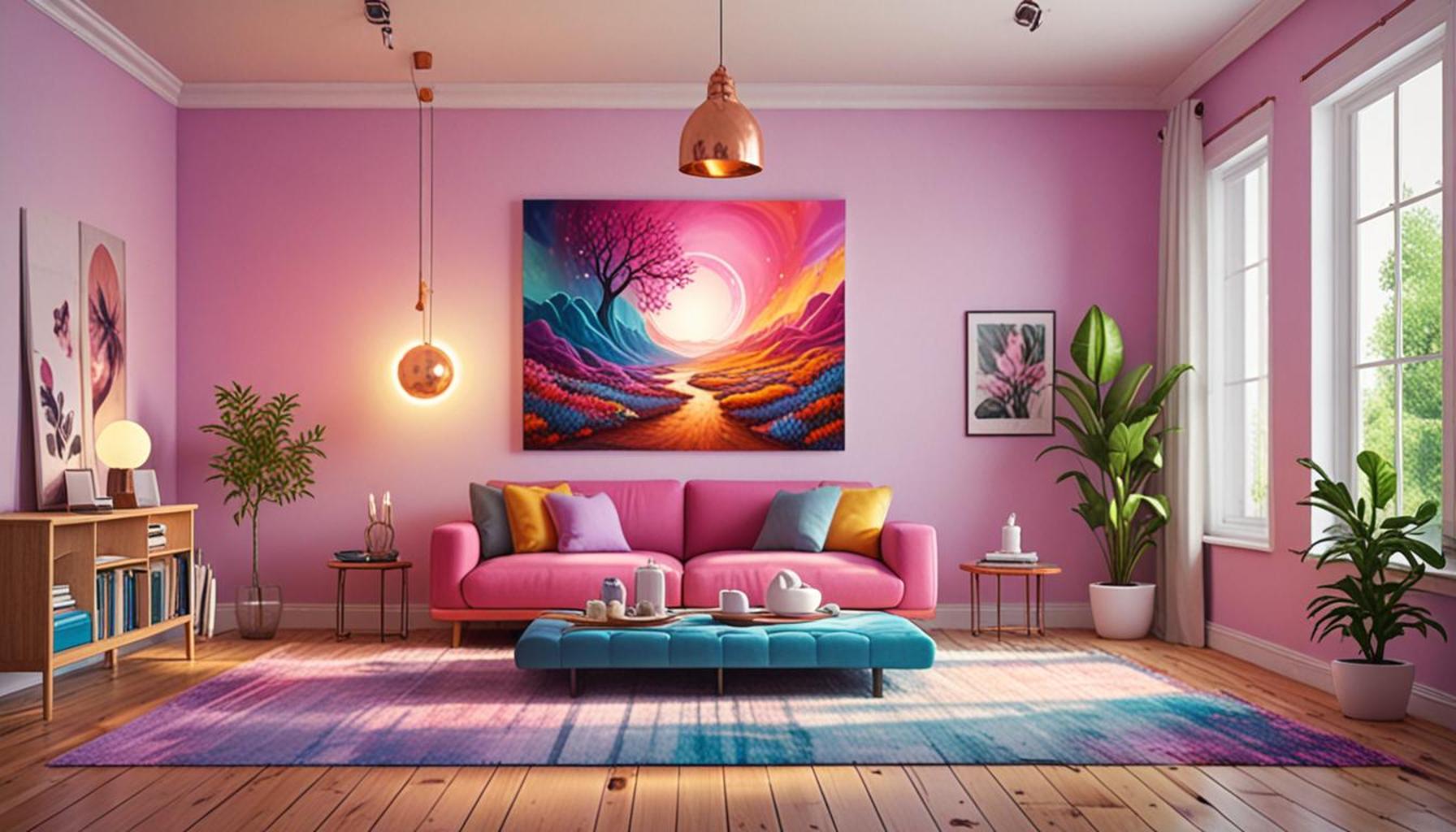
Connecting with the Present: The Influence of Mindful Living on the Organization of Physical Spaces

The Importance of Mindful Living
In a world overflowing with distractions, cultivating a sense of peace and clarity can feel like a distant goal. However, the practice of mindful living provides a pathway to reclaim that tranquility by becoming more present and intentional in our daily activities. This approach not only affects our mental state but also profoundly influences how we design and maintain our physical spaces. By creating an environment that fosters well-being, we can enhance both our quality of life and our mental health.
Awareness: The Keystone of Mindful Living
One of the fundamental aspects of mindful living is awareness. This involves recognizing how our physical surroundings can significantly impact our mental health. For instance, a cluttered workspace can lead to feelings of overwhelm and stress, making it difficult to concentrate. In contrast, a well-organized environment can promote feelings of calmness and order. Research indicates that environments can manipulate our mood and cognitive abilities; a study published in the Journal of Environmental Psychology highlighted that individuals working in tidy offices reported higher levels of job satisfaction and creativity.
Intentionality: Designing with Purpose
Intentionality refers to the conscious effort to align our spaces with our values and aspirations. This may manifest in choosing decor that reflects our personal style or optimizing functionality for daily tasks. For example, someone passionate about sustainability might select furniture made from recycled materials or incorporate houseplants that improve air quality and bring serenity to the home. Creating a space that resonates with who we are not only enhances our sense of belonging but also fuels motivation and inspiration.
Simplicity: The Power of Minimalism
In addition to awareness and intentionality, the principle of simplicity plays a crucial role in mindful living. Embracing minimalism means reducing physical and mental distractions. By decluttering our spaces, we can foster tranquility and clarity. This doesn’t mean living with bare essentials; instead, it encourages us to prioritize keeping items that genuinely serve a purpose or hold significant emotional value. For example, the Marie Kondo method of tidying up has gained popularity because it encourages individuals to evaluate their possessions based on whether they ‘spark joy,’ promoting a more meaningful connection to the items we choose to keep.
Benefits of Organized Spaces
The relationship between our environment and mental clarity is critical. Organized spaces are linked with various benefits, including:

- Increased Productivity: A tidy space enables individuals to focus better and accomplish tasks more efficiently.
- Enhanced Creativity: Inspiration can flourish in a serene environment where clutter does not distract or stifle ideas.
- Improved Emotional Resilience: A peaceful setting can act as a buffer against stress, allowing for better coping mechanisms in challenging times.
This understanding invites us to consider how adopting mindful practices can transform not only our minds but also our living and working environments. By integrating awareness, intentionality, and simplicity into our daily lives, we can foster spaces that promote well-being.
Are you prepared to engage fully with the present moment? Join us on a journey to uncover the significant effects of mindful living on your surroundings, and explore how these practices can enhance your overall quality of life.
DISCOVER MORE: Click here for minimalist organization tips!
The Role of Environment in Mindful Living
Our surroundings act as silent participants in our daily lives, shaping our experiences, influencing our emotions, and guiding our interactions. When we practice mindful living, an essential component is the recognition that physical spaces are not just backdrops; they can be instrumental in cultivating mindfulness. This relationship is particularly crucial in America, where the prevailing fast-paced lifestyle often pushes individuals into chaotic, cluttered environments that hinder mindfulness.
Creating Connections through Design
Mindful living prompts us to foster connections with both ourselves and our environments. This endeavor emphasizes designing spaces that reflect a deeper understanding of our interactions with the world around us. For instance, having a designated area for meditation or relaxation can serve as a critical tool in reminding us to pause, breathe, and be present. By allocating space for these activities, we infuse intention into our environments and provide ourselves with a daily reminder to step back.
The Psychological Impacts of Organized Spaces
The science of environmental psychology underscores the profound effects our physical environments have on our mental health. For example, a study from the University of California, Los Angeles (UCLA) found that individuals who worked in decluttered offices showed a remarkable reduction in stress levels and improved focus compared to their peers in disorganized spaces. Such findings are crucial, especially in the context of the modern workplace, where employees are expected to perform under increasing pressure.
Moreover, the implementation of elements such as natural light, greenery, and open layouts can significantly impact mood and productivity. Research indicates that spaces filled with natural light enhance alertness, while biophilic design—incorporating natural elements into our surroundings—can reduce stress and promote overall wellness. The integration of these principles into daily life facilitates a more mindful interaction with our surroundings, establishing a harmonious relationship between the individual and their environment.
Mindfulness in Everyday Organization
To experience the full benefits of mindful living, one must consciously organize and maintain their spaces. This involves not only physical tidiness but also a mental decluttering process. Here are some strategies for mindful organization in everyday life:
- Establish a Routine: Creating a daily cleaning or organizing schedule can help maintain a tidy environment, making it easier to remain focused.
- Choose Meaningful Decor: Select items that hold personal significance rather than just filling space. Each piece should add value to your environment.
- Limit Distractions: Reduce visual and auditory clutter in spaces where you work or meditate to help maintain clear focus and a calm mindset.
By being intentional about our organizational practices, we cultivate an atmosphere conducive to mindfulness. Every aspect becomes an opportunity to connect with the present, reminding us that we have the power to shape our environments to support our well-being. As we delve deeper into the influence of mindful living on physical spaces, a path emerges to enhance not merely our environments but our entire quality of life.
As we delve deeper into the topic of Connecting with the Present: The Influence of Mindful Living on the Organization of Physical Spaces, it is essential to explore how our physical environments can significantly reflect and enhance our mental states. Mindful living encourages an intentional approach to how we arrange our spaces, emphasizing simplicity, functionality, and tranquility. By decluttering and intentionally organizing our surroundings, we can create a more harmonious atmosphere conducive to mindfulness.
Moreover, colors, textures, and layouts play vital roles in evoking specific emotional responses. For instance, incorporating natural elements like plants or water features can induce feelings of calmness and relaxation. Understanding the psychology behind color choices can further enhance the efficacy of our spaces, where warm tones may energize while cool hues promote serenity. The practice of mindful organization also encourages us to consider the purpose behind each item we choose to keep, aligning our physical spaces with our personal values and aspirations.
Interestingly, the benefits of such mindfulness extend beyond individual experiences. When applied in communal settings, mindful living can foster collaboration and creativity, aligning team energies and enhancing productivity. Workspaces that prioritize mindfulness often report increased employee satisfaction and well-being, leading to a positive organizational culture. This cyclical relationship between our physical spaces and mental states exemplifies the potential of mindful living to transform not only how we live but also how we coexist in shared environments.
Incorporating mindfulness into our physical spaces is an ongoing journey of reflection, adaptation, and growth. As we continue to explore this transition into more conscious living environments, let us remain curious and eager to discover how these changes can elevate our day-to-day experiences.
| Advantages | Insights |
|---|---|
| Enhanced Well-being | Mindful spaces promote relaxation and reduce stress. |
| Increased Productivity | Organized environments lead to improved focus and creativity. |
These insights shed light on the nuanced relationship between our surroundings and our mental states, emphasizing the importance of mindfulness in everyday living and organizational success.
DIVE DEEPER: Click here to uncover advanced strategies
Practical Applications of Mindful Living in Physical Spaces
To harness the full potential of mindful living, individuals can implement a variety of practical applications that seamlessly integrate mindfulness into their daily routines. Such approaches not only reshape our physical environments but also encourage a deeper connection with the present moment.
The Minimalist Approach
The minimalist approach has gained significant traction in recent years as a practical manifestation of mindful living. By stripping away excess possessions, individuals can create spaces that reflect clarity and calmness. Research by the University of Massachusetts Amherst indicates that minimalist environments can enhance focus and creativity, providing a fertile ground for mindfulness to flourish. As we reduce clutter, we eliminate distractions, allowing our minds to concentrate on the present rather than be overwhelmed by countless stimuli.
Intentional Use of Color and Texture
The psychology of color reveals the ways in which different hues can provoke distinct emotional responses. For instance, calming blues and greens can foster relaxation, while vibrant yellows can instill energy and optimism. In mindful design, the thoughtful selection of colors can significantly impact one’s mood and overall experience within a space. Similarly, texture plays a crucial role; soft fabrics can invoke a sense of tranquility, while rough surfaces may evoke connection to nature. By intentionally selecting colors and textures, we can craft an environment that nurtures mindfulness.
Prioritizing Functional Spaces
Establishing functional spaces in our homes and workplaces facilitates a more mindful experience. Creating defined areas for specific activities—such as a reading nook, a dedicated workspace, or a calming corner for yoga—ensures that we engage fully in each task. Research highlights that employees who utilize ergonomic furniture and find comfort in their working environments are likely to exhibit increased efficiency and lower stress levels. By designing our physical spaces with specific purposes in mind, we cultivate an atmosphere conducive to focus and presence.
The Impact of Community Spaces
It’s not just personal spaces that benefit from mindful design; community spaces also play a vital role in fostering mindfulness. Parks, community gardens, and meditation centers can act as sanctuaries for individuals seeking respite from the cacophony of urban life. The National Recreation and Park Association (NRPA) underscores the importance of accessible green spaces in promoting mental health and well-being. Spaces that invite individuals to pause and connect with nature can enhance a collective sense of mindfulness, leading to improved community well-being.
Incorporating Technology Mindfully
As technology increasingly integrates into our lives, it becomes essential to apply mindfulness to its use within our physical spaces. Designing tech-free zones—areas devoid of screens and devices—helps individuals reconnect with their surroundings and reflect inwardly without digital distractions. Furthermore, utilizing technology mindfully, such as through guided meditation apps or virtual reality experiences designed for relaxation, can offer innovative ways to engage with the principles of mindfulness while still existing in contemporary environments.
These practical applications serve to bridge the gap between mindful living and the configuration of our physical spaces. By consciously creating environments that foster awareness, we enable ourselves and others to live more fully in the present, experiencing life with renewed appreciation and clarity. As we continue to explore the connections between our environments and our well-being, each small change can inspire a profound transformation in both our spaces and our lives.
DISCOVER MORE: Click here to unlock your mental clarity
Conclusion: A Transformative Approach to Physical Spaces
In conclusion, the concept of mindful living presents a profound opportunity to redefine not only our daily routines but also the spaces we inhabit. By embracing practical strategies such as minimalism, intentional use of color and texture, and the establishment of functional areas, we can cultivate environments that enhance our ability to engage with the present moment. The psychological benefits of these mindful spaces cannot be overstated; they offer clarity, reduce stress, and foster creativity, ultimately leading to a more fulfilling life experience.
Moreover, as we extend our focus beyond personal domains to community spaces, the collective impact becomes even more significant. Parks and community hubs designed with mindfulness in mind promote social interactions and contribute to a cohesive well-being among residents. This approach not only serves individual needs but also strengthens community bonds, making mindful design a catalyst for social change.
As we navigate an increasingly digital world, the incorporation of technology must also align with mindful principles. Establishing tech-free zones and utilizing digital tools judiciously can help safeguard our connection with our surroundings, allowing for moments of reflection in our often frenetic lives.
Ultimately, by recognizing the interdependence between mindful living and the organization of our physical spaces, we unlock a path to greater awareness and appreciation for the world around us. As we transform our environments, we empower ourselves to live fully in the present, embracing each moment with intention and gratitude. The journey towards mindful living is not just a personal endeavor, but a communal one, capable of inspiring a cultural shift that honors our collective well-being.