
Beginner Decluttering Techniques Start Your Minimalist Journey Now
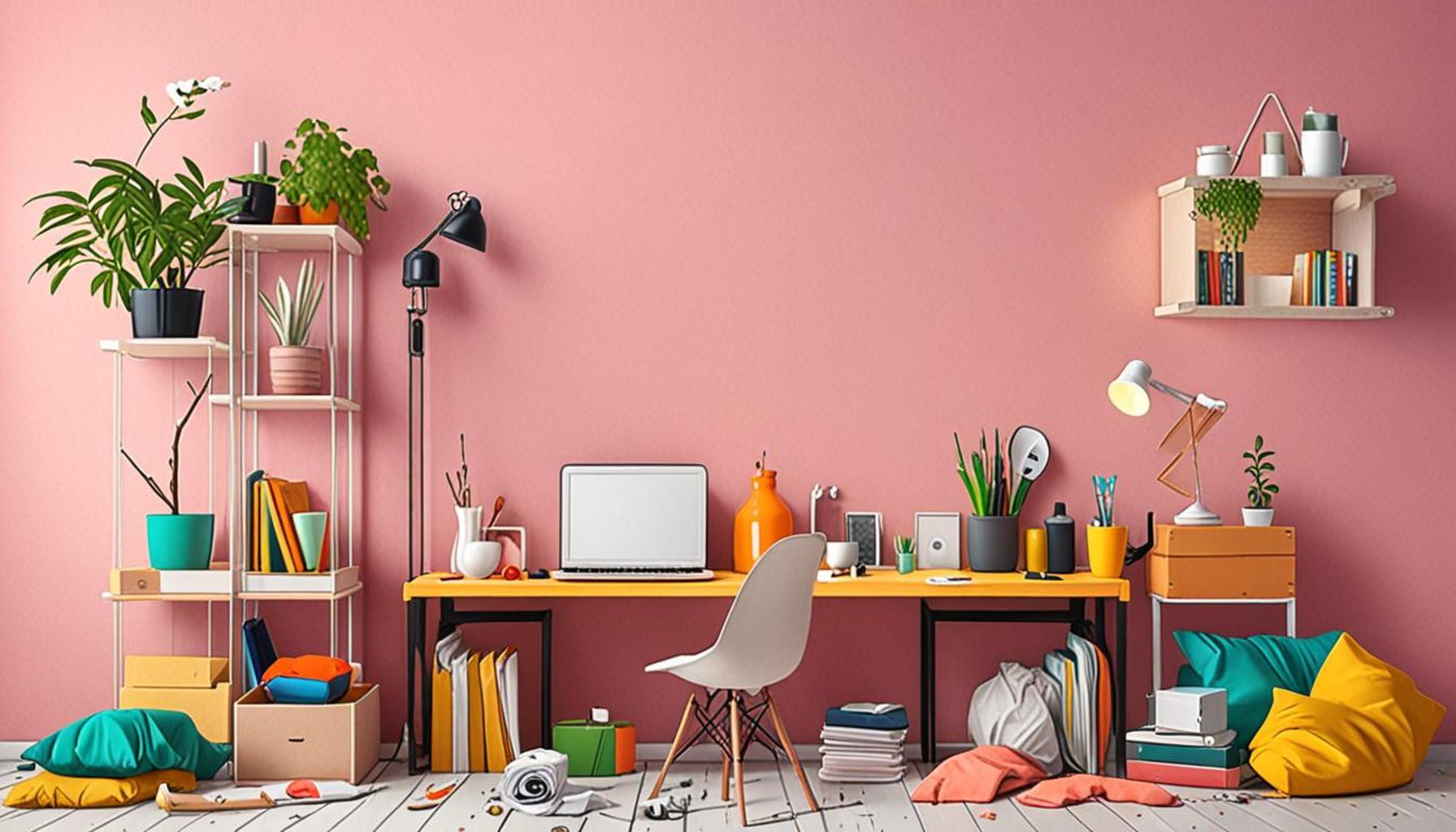
In today’s fast-paced world, clutter can become overwhelming, both physically and mentally. Adopting a minimalist lifestyle is more than just tidying up; it’s about reclaiming your space and your peace of mind. Learning decluttering techniques can empower you to start your journey towards personal organization and intentional living.
Why embark on a minimalist journey? Here are a few compelling reasons:
- Improved focus: A clutter-free environment enhances concentration.
- Reduced stress: Simplifying your space can lead to a calmer mind.
- Financial savings: Focusing on essentials helps cut unnecessary expenses.
As you take your first steps, it’s essential to equip yourself with effective strategies for decluttering. This article will explore the Top 5 Techniques for beginners, designed to ease you into a lifestyle that values simplicity and mindfulness. Prepare to discover practical tips that will transform your approach to space and belongings.
Top 5 Decluttering Techniques for Beginners: How to Start Your Minimalist Journey
Embarking on a minimalist journey can be an enriching experience, but the initial step of decluttering may seem daunting, especially when surrounded by an overwhelming sea of possessions. Decluttering is more than just discarding items; it’s about sculpting a living space that mirrors your values, lifestyle, and priorities. In this article, we delve into five impactful decluttering techniques designed to guide beginners in their quest for a more organized and minimalist way of living. Each method offers a distinct perspective on tackling clutter, enabling you to discover the approach that resonates most with your personal style. Let’s explore these transformative techniques!
5. The Four-Box Method
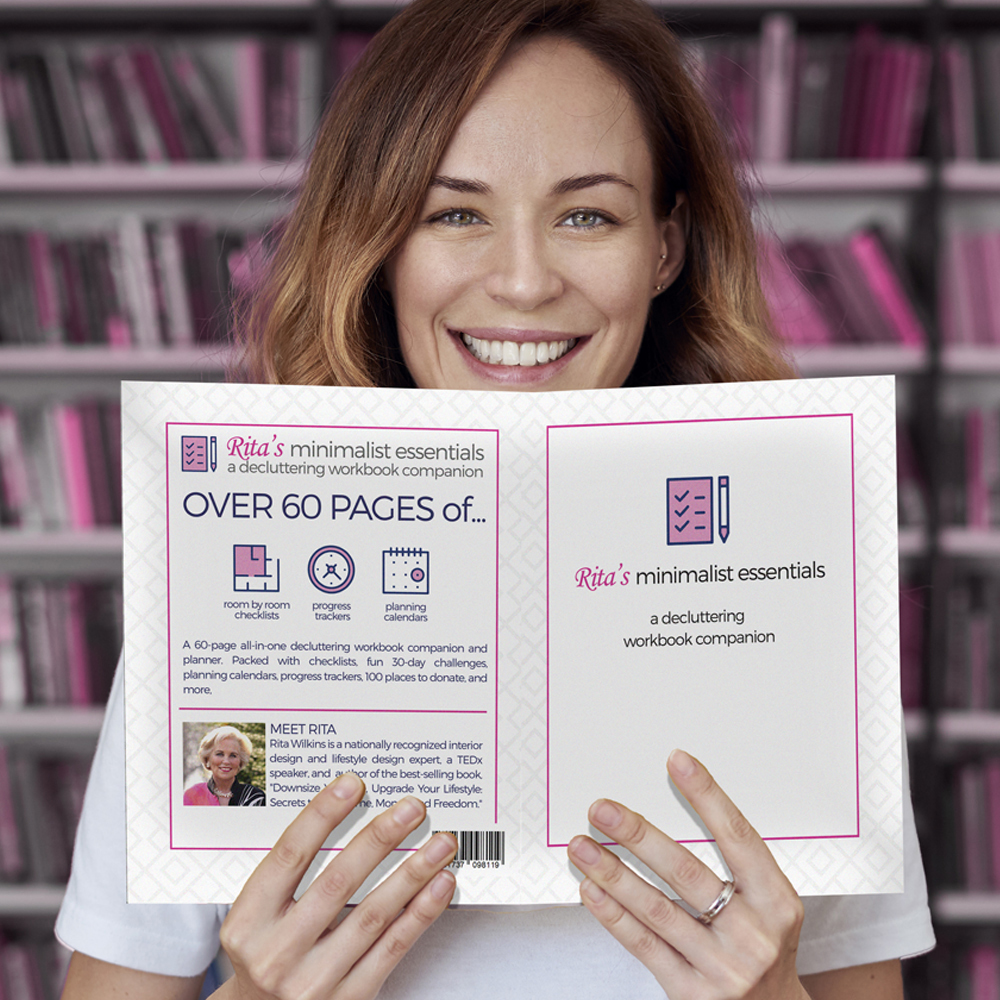
The Four-Box Method stands as a pragmatic and uncomplicated technique, perfect for those new to decluttering. Here’s how it works: equip yourself with four boxes or containers, each labeled keep, donate, trash, and relocate. Start with one room and carefully evaluate your possessions, categorizing each item accordingly. This method prompts swift decision-making, minimizing procrastination and fostering quick, effective action.
- Keep: Reserved for items that you frequently use and derive joy from owning.
- Donate: Suitable for items in good condition but no longer serve a purpose in your life.
- Trash: For items that are irreparably damaged or unusable.
- Relocate: For items that belong in a different area of your home.
Engaging with this method not only reduces clutter but also refines your understanding of what truly holds value and purpose in your living space. Such clear, straightforward interaction with your belongings encourages a thoughtful and intentional approach to daily life.
4. The 30-Day Minimalism Game
The 30-Day Minimalism Game injects an element of fun and competition into the decluttering process. The game’s premise is simple: eliminate one item on the first day, two items on the second day, and continue this pattern up to the last day of the month. By the end, you have parted with 465 items, making a significant dent in accumulated clutter. This approachable method is particularly effective for newcomers to minimalism, as dividing the task into small, daily increments makes it less overwhelming and more manageable.
The game not only fosters momentum but also provides a sense of achievement as you visibly track your progress. By inviting friends to join, the challenge becomes a shared experience, adding layers of encouragement and accountability. Playing this game reveals the rapid accumulation of unnecessary items and fosters mindfulness about future acquisitions, nurturing a long-term commitment to minimalist living.
3. The Marie Kondo Method
Marie Kondo’s KonMari Method has gained international acclaim through her bestselling book and Netflix series. This technique shifts focus from location-based decluttering to a categorical approach, which involves gathering all items from a specific category (e.g., clothes, books, kitchen gadgets) in one place and assessing each piece by asking, “Does this spark joy?” This introspective practice allows you to connect deeply with each belonging, keeping only those that genuinely resonate with your heart.
Beginning with less emotionally charged categories, such as clothing, can help build confidence and ease you into more challenging areas. Kondo’s philosophy encourages gratitude for each item’s role in your life, whether it’s staying or leaving, thereby making the decluttering process an act of self-discovery and a step toward intentional, joyful living.
2. The 90/90 Rule
The 90/90 Rule is a minimalist principle rooted in practicality and foresight. It prompts you to ask yourself two questions about each item: Have you used it in the past 90 days? Do you plan to use it in the next 90 days? A negative response to both queries suggests it’s time to say goodbye to the item. This method offers a straightforward framework for decision-making, freeing you from the bind of sentimental attachments or guilt over parting with possessions.
This rule can be enlightening, unveiling the sheer volume of possessions held onto out of habit or misguided obligation. It aids in lightening the emotional load associated with decluttering, allowing you to curate an environment that supports and enhances your lifestyle and well-being.
1. The One In, One Out Rule
The One In, One Out Rule is a cornerstone technique for anyone starting the minimalist path. This guideline is as simple as its name suggests: for every new item you introduce into your home, remove one existing item. This self-imposed regulation effectively curtails accumulation, fostering mindful consumer habits that prioritize intentionality over spontaneity.
By adopting this principle, you develop a balanced and sustainable relationship with your belongings. It naturally discourages clutter over time and compels you to continuously reassess the value each item contributes to your life. Adhering to the One In, One Out Rule aligns with an evolving appreciation for simplicity, ultimately nurturing a lifestyle imbued with clarity and intention.
Starting your minimalist journey doesn’t have to be a monumental task. By integrating these techniques into your daily life, you can break down the process of decluttering into harmonious, achievable steps. Each method offers a fresh lens through which to view your possessions, encouraging a deeper connection to what you truly value. As you embark on this transformative path, embrace the discovery of serenity and focus a clutter-free life can bring.
| Category | Description |
|---|---|
| The Power of Mindfulness | Mindfulness promotes a conscious awareness of what you own, leading to better decisions about what to keep and what to discard. |
| Emotional Detachment | Understanding how to emotionally detach from possessions can free you from sentimental clutter, stripping away the guilt of letting go. |
| Placed Intentionality | Each item in your space should have intention; this technique helps you evaluate each possession’s purpose and significance in your life. |
| Creating Actionable Steps | Implementing actionable decluttering steps, such as the 30-day minimalism challenge, can provide structure and motivation to your decluttering journey. |
The techniques for **decluttering** do not just involve throwing out items; they signify a holistic shift towards a **minimalist lifestyle**. By embracing the **power of mindfulness**, practitioners become more aware of their belongings and their emotional attachments. Every object that remains should serve a distinct purpose in order to cultivate a living environment that resonates with clarity and peace.Understanding the value of **emotional detachment** is crucial, as many people find themselves holding onto objects due to guilt or nostalgia. Learning to let go can significantly enhance mental wellbeing, as it opens up space physically and mentally for new experiences.Furthermore, the principle of **placed intentionality** plays a vital role in deciding what to keep. Ask yourself about the value each possession brings to your life. This assessment fosters a deeper understanding of your *true needs*, illustrating how many items are accumulated out of habit rather than necessity.Finally, creating tangible, **actionable steps** can empower you on your minimalism journey. Techniques like the 30-day minimalism challenge not only offer a structured approach but also break down overwhelming tasks into manageable daily objectives, facilitating a smoother transition towards minimalism and enhancing motivation along the way. Each of these aspects collectively contributes to a more defined and fulfilling lifestyle, aligning your environment with your aspirations.
Frequently Asked Questions About Decluttering for Beginners
What is decluttering, and why is it important for a minimalist lifestyle?
Decluttering involves the strategic process of removing unwanted or excess items from your living space. It’s not just about cleaning; it’s about creating an environment that reflects simplicity and focus. Embracing decluttering as part of a minimalist lifestyle helps to reduce stress, increase productivity, and improve mental clarity. By owning fewer items, you can dedicate more energy to what truly matters. The importance lies not only in the physical cleanliness but in the psychological freedom that comes with a clutter-free space.
How do I begin the decluttering process effectively?
Starting your decluttering journey involves setting clear goals and creating a plan. Begin with one area or room to avoid feeling overwhelmed. Evaluate each item you own based on its utility and emotional value. Ask yourself: “Does this item add value to my life?” Employ the 30-Day Minimalism Game, where you remove one item on the first day, two on the second, and so on, to gradually ease into decluttering. Consistency is key, so allocate specific times for your decluttering sessions.
What are some common challenges beginners face when decluttering, and how can they overcome them?
Beginners often struggle with emotional attachment to items and fear of future regret. To overcome these, focus on the vision of your ideal lifestyle. Envision the benefits of a minimalist home and let that motivate you. Another common challenge is decision fatigue, which can be mitigated by setting categories for sorting items such as keep, donate, or sell. Break down the task into smaller, manageable steps to avoid burnout. Remember, decluttering is a personal journey and doesn’t have to be completed overnight.
Is there a particular order or method I should follow when decluttering?
While there is no one-size-fits-all method, several techniques can guide you. The KonMari Method, developed by Marie Kondo, suggests decluttering by category (clothes, books, papers, miscellany, sentimental items) rather than by location. Another approach is the Room-by-Room method, where you tackle one room at a time focusing on areas with high clutter. Experiment with different strategies to find what resonates with you, keeping flexibility and adaptability in mind.
What should I do with the items I decide to declutter?
Once you have decided to part with items, consider their next best use. Donate usable items to charity or shelters, ensuring they reach those in need. Items with potential resale value can be sold online or at garage sales. For things you cannot donate or sell, explore recycling options to minimize environmental impact. The goal is to responsibly re-home your belongings while maintaining the spirit of minimalism by not contributing to unnecessary waste.
Conclusion: Embracing Minimalism Through Decluttering
Embarking on a minimalist journey through decluttering can be a transformative experience that extends far beyond mere physical tidiness. As we explored in the article, starting with small, manageable steps, such as the 20/20 rule and prioritizing sentimental items, sets the stage for a more profound lifestyle change. By methodically tackling each area of our home, we gradually cultivate a mindset focused on living with intention.
The top five techniques highlighted are essential for beginners: starting with a defined plan, tackling one area at a time, using the one-in, one-out rule, setting limits on storage spaces, and regularly reassessing your belongings. These strategies foster not only a cleaner physical environment but also a clearer mental space, allowing us to focus on what genuinely matters.
Minimalism is not about restriction; it is about liberation from the excess that often clutters our lives both materially and mentally. By embracing these decluttering techniques, individuals can reclaim time, reduce stress, and enhance overall well-being. The positive implications of such a lifestyle shift extend to mental clarity and an appreciation for the simple joys in life.
The journey to minimalism, as discussed, is unique to each individual, yet universally rewarding. This transformation is an ongoing process, encouraging us to remain intentional and aware of our consumption habits. With these foundational techniques, one can not only enhance personal organization but also embrace a more fulfilling, less burdened way of living.
For those willing to delve deeper, the world of minimalism offers endless opportunities for growth and exploration. By continually questioning what we add to our lives and why, we open doors to a more meaningful existence, affirming that less truly is more.