Maximizing Small Spaces: Minimalism Strategies for Organizing Compact Environments
Embracing Minimalism in Compact Living Spaces
In today’s fast-paced urban environment, the challenge of limited living space can feel overwhelming. The rise of high-density apartments, particularly in bustling cities, has made it necessary for many to rethink how they live and organize their homes. A minimalist lifestyle offers a practical solution to this dilemma, serving not only as a visual aesthetic but also as a pathway to a more serene and structured way of life. By embracing minimalism, individuals can effectively transform their surroundings, making them more functional and aesthetically pleasing.
One of the core principles of minimalism is decluttering. This process involves removing unnecessary items that can create confusion and visual chaos. For instance, consider a living room cluttered with mismatched furniture and decorations. By methodically going through belongings and deciding what to keep, donate, or discard, you can create a palpable sense of openness. A common recommendation is the “Marie Kondo” method, which encourages individuals to keep only those items that ‘spark joy.’ This not only helps clear physical space but also contributes to a mental clarity that many find beneficial.
Smart Furniture Choices
In small spaces, investing in multipurpose furniture can revolutionize how you use your environment. Think about a sofa bed that allows guests to sleep comfortably while doubling as seating during the day. Additionally, a coffee table with hidden storage can help stow away magazines, remotes, and other small items, keeping the area tidy. A dining table that can be expanded or folded provides flexibility for both daily meals and larger gatherings without permanently occupying valuable space. Innovations in design have made such furniture pieces not only functional but also stylish, making it easier to express personal taste even in a minimalist setting.
Utilizing Vertical Space
Another effective strategy involves harnessing vertical storage. While floor space may be limited, the vertical realm is often underutilized. Installing shelves higher up on walls can provide a unique way to store books, decor, or plants, bringing character to the room without crowding the floor. Wall-mounted racks for bicycles or other sports equipment can free up crucial space in small living areas while also presenting an aesthetically pleasing display.
Statistics indicate that over 50% of Americans are now residing in homes or apartments under 1,000 square feet. This trend emphasizes the need for efficient living strategies that not only maximize space but also enhance life quality. Living in a compact space often prompts a reduction in material possessions, which can subsequently lead to less stress and a more mindful approach to consumption.
As you navigate the journey to a minimalist lifestyle, remember that even small areas can be transformed into reflections of your personality and unique style. Embracing these principles allows you to create a living environment that is both functional and harmonious. Join us as we delve deeper into practical tips and inventive solutions that cater to your specific needs, making the most out of the spaces you call home.
DISCOVER MORE: Click here to learn more about boosting your productivity
Effective Strategies for Streamlining Your Space
As we continue to embrace a minimalist lifestyle, it’s essential to explore practical strategies that can facilitate the organization of compact living environments. The beauty of minimalism lies not only in its aesthetic appeal but also in its inherent functionality. By adopting the following strategies, you can maximize small spaces without sacrificing comfort or style.
The Power of Color and Lighting
The colors you choose for your living space can significantly impact how spacious it feels. Lighter colors such as whites, creams, and soft pastels can create an illusion of openness, making even the tiniest of apartments feel airier. Additionally, a cohesive color palette throughout your space can enhance the flow and make the area feel more unified.
Moreover, investing in lighting solutions is crucial. Natural light, when possible, should be maximized. Keep window treatments light and airy, allowing sunshine to flood your home. Strategically-placed mirrors can also reflect light, contributing to an illusion of depth and space. Using soft, layered lighting in the form of pendant lights, wall sconces, or floor lamps helps create a warm ambiance that draws the eye upwards, enhancing verticality.
Creative Storage Solutions
In the pursuit of organizing compact environments, the right storage solutions can pave the way to achieving a clutter-free sanctuary. Here are some innovative storage ideas suited for small spaces:
- Under-bed storage: Utilize the often-overlooked space beneath your bed by incorporating under-bed boxes or drawers to keep seasonal clothing or extra linens organized.
- Over-the-door organizers: Perfect for smaller bathrooms or kitchens, these can provide additional storage without requiring any extra floor space.
- Floating shelves: Install floating shelves in bedrooms or living rooms to display books and decor without taking up much-needed table space.
- Baskets and bins: Use decorative baskets and bins for organizing items that typically accumulate in clutter, such as toys or magazines, while adding a stylish touch to your décor.
By implementing these storage solutions, you can effectively categorize and stow away items, allowing you to maintain a clean and organized space.
Engaging with Multi-Functional Zones
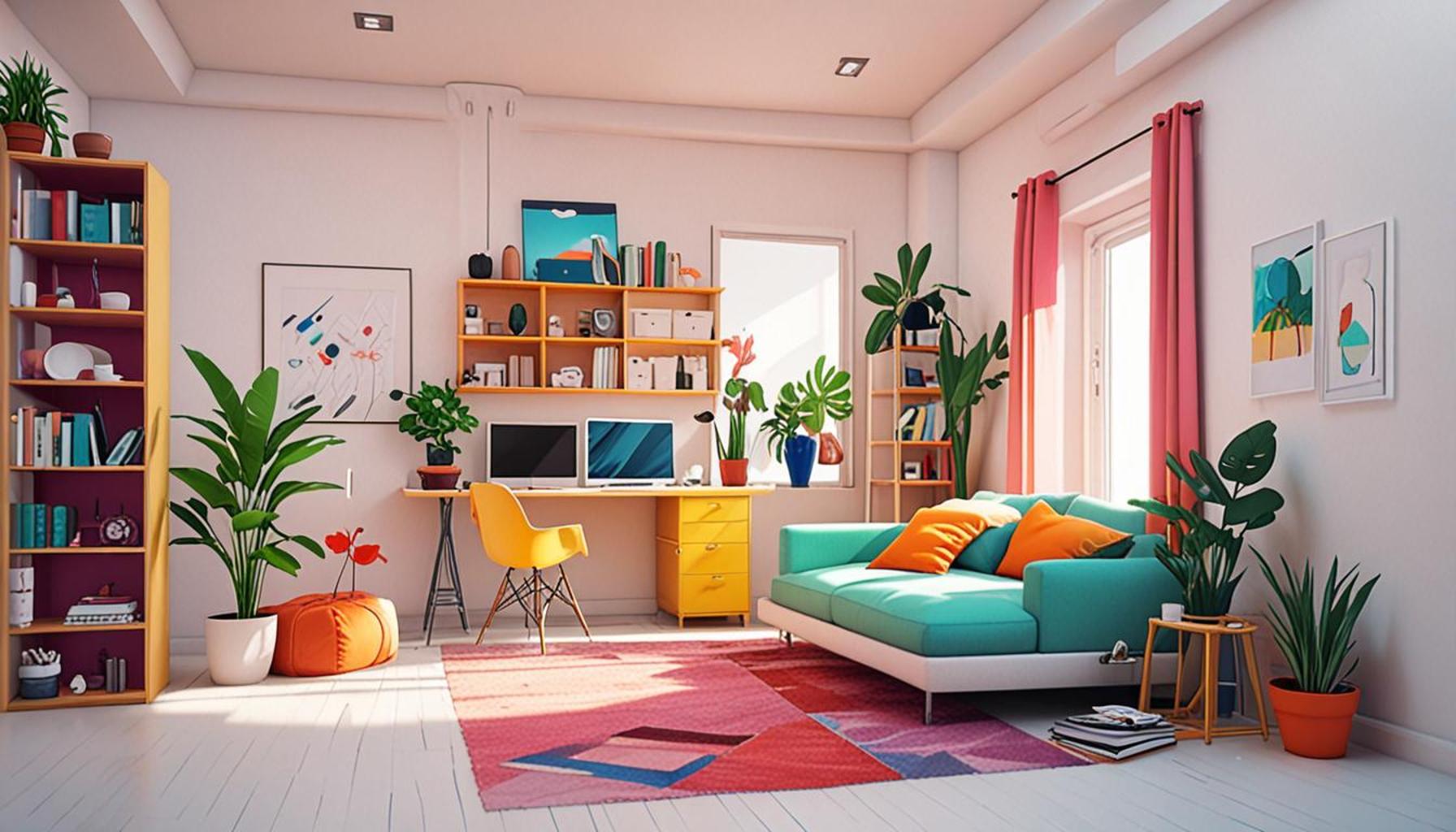
In small living spaces, creating multi-functional zones can be an effective approach to ensuring that each area serves its purpose optimally. For instance, a well-defined workspace can be incorporated into a corner of the living room or bedroom. Utilizing items such as wall-mounted desks or small side tables can foster productivity without encroaching on precious square footage.
Segregating areas doesn’t mean confining yourself to a rigid layout. You can utilize area rugs to delineate spaces, creating a cozy atmosphere while defining living and working areas. These zoning techniques promote efficient use of compact environments, creating a tailored experience that meets your lifestyle needs.
By blending color theory, innovative storage, and multifunctional zoning, anyone can master the art of maximizing small spaces. The journey toward minimalism becomes not just a challenge to overcome but an exciting opportunity to innovate and transform your living area into a sanctuary of efficiency and style. Join us as we delve deeper into further techniques that will enhance your compact living experience by addressing functional design and organization.
In the quest for enhancing our living areas, particularly in urban dwellings, the notion of maximizing small spaces through minimalism takes on a significant role. Understanding how to effectively organize compact environments can transform the functionality and feel of your home.
A pivotal strategy involves the careful selection of multi-functional furniture. By choosing items that serve multiple purposes—like a sofa bed or an expandable dining table—you can reduce clutter while maximizing available space. This not only saves square footage but also creates a seamless flow throughout the room, inviting more movement and comfort.
Another effective method is implementing vertical storage solutions. Utilizing wall space for shelves or hanging storage can keep floor space clear while still providing easy access to everyday items. This approach draws the eye upward, making the room feel larger and airier. Additionally, the use of light colors for walls and furnishings can enhance the impression of space, creating a more open atmosphere in compact areas.
Having a minimalist mindset is crucial to successfully organizing small spaces. Embrace the philosophy of “less is more” by regularly decluttering and reassessing your belongings. Keep only those items that are essential or bring you joy, thereby reducing visual chaos and promoting a sense of tranquility in your living environment.
| Advantages of Minimalism | Key Features |
|---|---|
| Enhanced Clarity | Fewer items lead to a more organized appearance. |
| Increased Functionality | Multi-use furniture optimizes space for varied activities. |
The combination of the right strategies and a minimalist approach can reveal the hidden potential of small spaces, leading to a more enjoyable and efficient living experience. As you embark on this journey, consider how integrating these principles can enhance your own compact environment and inspire you to explore further.
DISCOVER MORE: Click here to start your minimalist journey
Reimagining Design for Small Spaces
As the push towards minimalism gains momentum, rethinking design principles is increasingly essential for those working within compact environments. By creating functional and aesthetically pleasing living spaces, it’s possible to live richly and enjoyably, despite limited square footage. Here are essential strategies to consider when designing small spaces.
Embracing Open Concepts
One of the most effective design strategies for small spaces is embracing an open concept. This layout minimizes barriers, fostering a sense of freedom and continuity throughout your home. Walls can be replaced with open shelving or multifunctional furniture pieces that serve dual purposes – for instance, using a bookshelf as a room divider that simultaneously allows light to flow freely.
In addition to physical space, visual openness can be achieved through transparent materials, such as glass tables or acrylic furniture. These elements not only visually expand a space but also add an element of modernity. In smaller areas, keeping the sightlines clear can often lead to a much more inviting and expansive feel.
Choosing Furniture Wisely
The choice of furniture plays a pivotal role in maximizing small spaces. Opting for scale-appropriate pieces is essential; oversized sofas or bulky armchairs can easily overwhelm a compact living area. Instead, seek out slim-profile sofas, lightweight chairs, or sectional seating that provides flexibility. Modular furniture is particularly beneficial as it can adapt to various needs and spaces.
Furthermore, consider investing in furniture that offers hidden storage. Ottomans that open up to reveal space for blankets or small items can keep your environment tidy. Coffee tables with drawers or nesting tables that tuck away when not in use maximize surface area while minimizing clutter.
Incorporating Vertical Design Elements
With limited floor space, maximizing verticality becomes essential in small spaces. Vertical storage solutions, such as tall bookcases, can lighten up the streets of your home while providing ample space for both storage and decor. Wall-mounted plant holders, floating shelves, or pegboards can create charming display spaces without taking up floor area.
Vertical gardens or living walls can introduce greenery into your home, which not only enhances visual interest but also contributes to better air quality. Additionally, utilizing wall-mounted lighting fixtures or sconces can help in reducing the need for table lamps, thus preserving valuable surface space.
Maintaining a Minimalist Mindset
Adopting a minimalist mindset toward design can significantly rejuvenate your compact living space. The focus should be on quality over quantity. Instead of filling your home with numerous knick-knacks and decor items, select a few pieces that truly resonate with you and enhance the overall aesthetic of your home.
Regularly decluttering and assessing your belongings are key components of minimalist living. Consider the “one in, one out” rule—for every new item that enters your home, an old one should be removed. This practice aids in preventing excessive accumulation and maintains a clean, curated environment that aligns with minimalist values.
Through careful design choices, furniture selection, and vertical enhancements, optimizing small spaces becomes a feasible and stylish aspiration. Unquestionably, a minimalist approach transcends mere aesthetics, transforming small environments into intelligent, practical spaces that reflect the beauty of simplicity and organization.
DISCOVER MORE: Click here to transform your life
Conclusion: Unlocking Potential in Small Spaces
In the quest for a more organized and aesthetically pleasing living environment, embracing a minimalist approach can truly transform compact settings. The strategies discussed—from open concept designs to the careful selection of scale-appropriate furniture—showcase how efficient use of space and intentionality can lead to not only a functional home but also one that evokes a sense of peace and harmony.
Furthermore, by incorporating vertical elements and optimizing storage through innovative furniture choices, we unlock hidden potentials within our limited square footage. The benefits of decluttering and keeping the focus on quality over quantity resonate deeply with those aiming for simplicity in their lives. This minimalist mindset not only creates visually appealing environments but also fosters a lifestyle centered on mindfulness and thoughtful consumption.
When navigating the nuances of small space living, it is essential to remember that each design choice contributes to a larger narrative—one where comfort, style, and functionality coexist seamlessly. As we continue to embrace this philosophy in various aspects of our lives, we pave the way for more sustainable and fulfilling living experiences. Exploring additional resources on minimalism and space optimization can further enhance your journey towards maximizing small spaces, inviting an even richer lifestyle into your home.