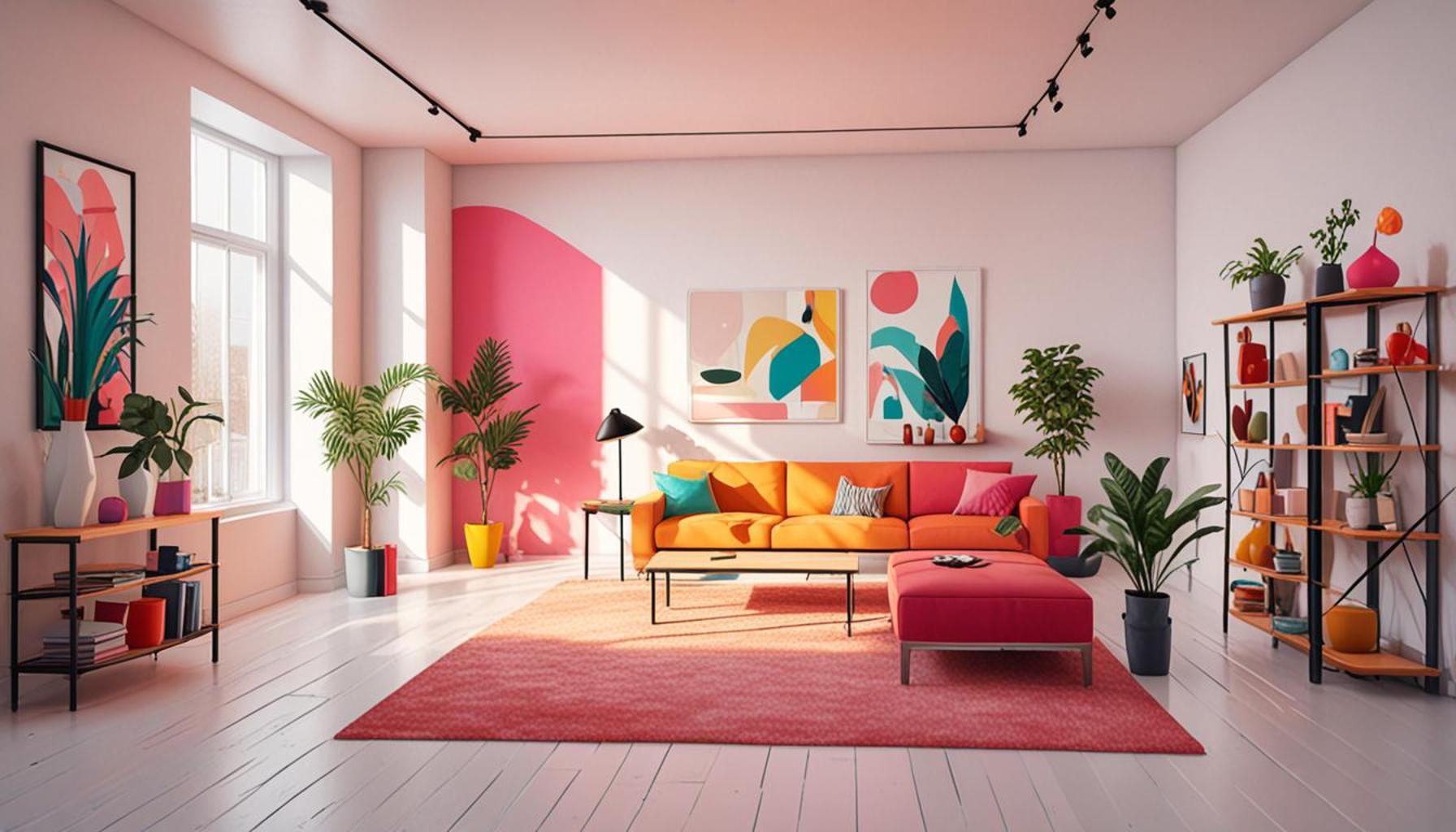
Minimalism in Learning Environments: Creating Educational Spaces that Stimulate Creativity and Concentration
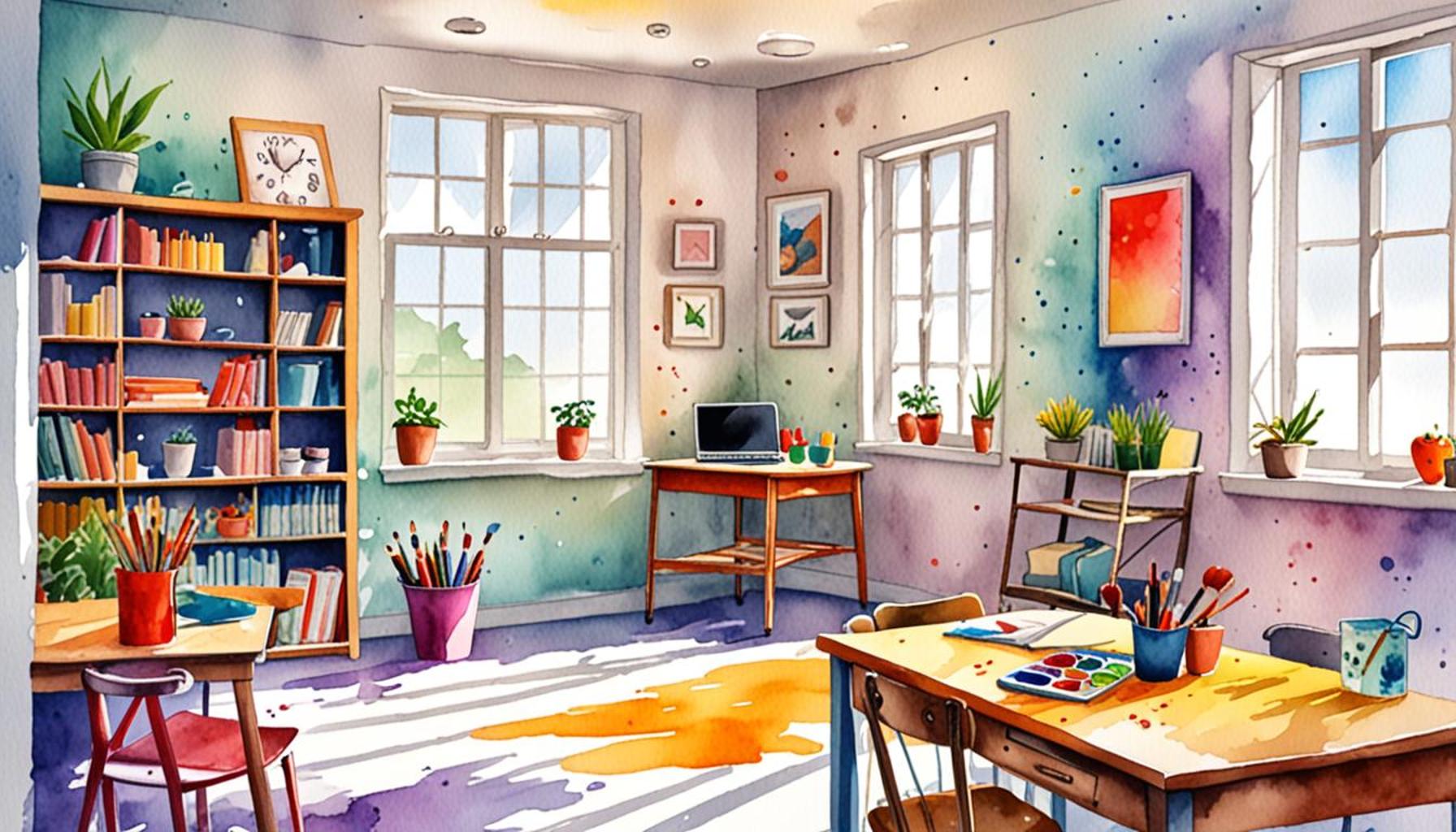
In recent years, educational institutions have begun to embrace a transformative approach to classroom design. Minimalism is emerging as a compelling strategy in creating learning environments that encapsulate the essence of creativity and concentration. By focusing on simplicity, schools can foster spaces that enhance student engagement and success.
Principles of Minimalist Design
At the core of minimalism in educational spaces are a few fundamental principles. This approach aims to create a nurturing environment that prioritizes student well-being and academic performance.
- Decluttered Spaces: Removing unnecessary items reduces distractions and promotes a sense of calm. For example, a classroom devoid of superfluous decorations or cluttered bookshelves allows students to focus their attention on lessons and discussions, rather than on the chaos around them.
- Natural Light: Utilizing sunlight through large windows or skylights creates a warm and inviting atmosphere. Research shows that exposure to natural light can improve mood and energy levels, making for a more productive learning environment. Schools like the Craig F. Walker Education Center in Denver have tapped into this principle by designing classrooms with ample light, enhancing both focus and learning outcomes.
- Open Layouts: Flexible seating arrangements encourage collaboration among students. Rather than traditional rows of desks, spaces with movable furniture allow for group work, peer discussions, and interactive learning experiences. For instance, educational institutions like the EduTech Academy in California employ configurable furniture that can be rearranged quickly to foster teamwork or independent study as needed.
Benefits of Minimalist Learning Environments
Implementing minimalist principles in learning environments offers myriad benefits that extend beyond aesthetics. The psychological effects of a thoughtfully designed classroom can be profound.
- Enhanced Focus: A simplified space allows students to concentrate better, as evidenced by studies showing that less visual clutter correlates with higher retention rates and improved academic performance.
- Boosted Creativity: Fewer distractions lead to more innovative thinking. In minimalist settings, students often report feeling more inspired and capable of original thought, as they are not overwhelmed by extraneous stimuli.
- Stress Reduction: Quieter, organized spaces contribute to emotional well-being, fostering an atmosphere that encourages learning rather than anxiety. Research indicates that students in minimalist classrooms experience lower stress levels and a more positive attitude toward school.
As educational leaders recognize the link between environment and learning, the shift towards minimalism presents an opportunity to rethink traditional classroom dynamics. The use of minimalist design has the potential not only to reshape physical spaces but also to nurture the minds of the next generation. Schools exploring this pathway are paving the way for innovative educational experiences, making learning more effective and engaging in the process. Moving forward, understanding the synergy between well-designed environments and education will be crucial in shaping the future of learning.
DISCOVER MORE: Click here to dive deeper
Exploring the Impact of Minimalist Design on Learning
The impact of minimalist design in educational spaces is profound, as it catalyzes a shift in how students interact with their environment and, by extension, with their learning. Integral to this transformation is an understanding of how physical surroundings can affect psychological states and cognitive processes. Embracing minimalism is not just about aesthetics; it’s an approach grounded in research that points to tangible benefits for students.
As educational institutions begin to implement minimalist principles, it is essential to recognize the potent combination of simplicity and functionality. These designs encourage an atmosphere conducive to both focus and creativity, two indispensable elements in modern learning. Here are some critical aspects of how minimalist learning environments can enhance educational experiences:
- Intentional Use of Color: Minimalist classrooms favor neutral colors which can lead to increased concentration. When vibrant colors are used sparingly, they serve as stimulating elements that energize without overwhelming. Schools that incorporate soft tones often find that students are more relaxed and able to engage deeply with their studies.
- Technological Integration: Rather than relying on traditional teaching aids, minimalism encourages the use of technology in a targeted way. Smartboards and digital projectors can replace multiple physical resources, minimizing clutter while enhancing interactivity. Institutions like the Greenfield Community College have adopted technology that seamlessly integrates with minimalist design, creating a more engaging and efficient learning experience.
- Flexible Learning Spaces: The concept of flexible spaces is at the heart of minimalist design. By offering movable partitions and modular furniture, schools create environments that can adapt to various teaching methods. This provides opportunities for project-based learning and collaborative exercises that are crucial in today’s diverse educational landscape.
The potential for minimalist design to reshape education extends beyond physical spaces; it can also alter teaching philosophies. Educators are increasingly recognizing that the environment where learning occurs is just as important as the curriculum itself. Teaching approaches that align with minimalist principles advocate for clarity, transparency, and a focus on what is critical, mirroring the simplicity that characterizes these spaces.
Furthermore, studies have shown that these minimalist environments can significantly impact the overall academic performance of students. For instance, research conducted at institutions that have embraced minimalist classroom designs demonstrated improved focus and lower levels of anxiety among students, directly correlating to higher retention rates and better grades. This is crucial in an era where educational outcomes are consistently under scrutiny.
Ultimately, the emergence of minimalist design within educational spaces presents a promising pathway for rethinking how schools can better serve their students. As educators and designers work hand in hand, the vision of creating environments that stimulate both creativity and concentration is becoming more attainable. Amidst a society that increasingly values student well-being, embracing minimalism might just be an innovative solution to foster deeper learning and engagement.
| Advantages | Impact on Learning |
|---|---|
| Enhanced Focus | Minimalism reduces distractions, allowing students to concentrate on their tasks more effectively. |
| Encouragement of Creativity | Simplified spaces stimulate creative thinking as they encourage students to engage with materials in unique ways. |
| Adaptable Learning Stations | Minimalist environments allow for flexible use of space, adapting to various teaching methods and group dynamics. |
The concept of minimalism in educational settings is grounded in the idea that less is more. By removing unnecessary clutter and distractions, minimalist learning environments cater to the essential needs of learners. The integration of flexible furniture and ample natural light contributes to a sense of calm and focus, which is crucial in a world full of distractions. Moreover, research indicates that such environments can uplift student morale and performance. This aspect is particularly important in today’s digital age, where excessive screen time often leads to diminished attention spans. Utilizing design principles that foster simplicity can help educators create spaces that not only enhance concentration but also encourage innovative thought processes. In implementing a minimalist approach, educators are not only enhancing the aesthetic appeal of the learning environment but are also paving the way for improved educational outcomes. This movement towards minimalistic educational spaces is changing how we perceive and design classrooms, ensuring they are as effective as they are beautiful.
DISCOVER MORE: Click here to learn about mindfulness in personal organization
Design Principles That Foster Innovation and Deep Learning
As the connection between physical spaces and educational outcomes emerges more clearly, the principles guiding minimalistic design become crucial. Implementing minimalist strategies in learning environments not only reduces distractions but also actively promotes deeper engagement and innovation among students. Understanding how these design principles manifest can inspire educational institutions to rethink their spaces significantly.
Natural Light and Airflow: A fundamental aspect of minimalist design is the emphasis on natural light. Research indicates that exposure to natural light can greatly influence mood and energy levels. Educational institutions that boast large windows and skylights often report improved student feelings of well-being and enhanced focus. For instance, the Sunset Park High School in Brooklyn, NY, is designed to maximize daylight, resulting in a space that feels welcoming and revitalizing. Furthermore, incorporating good airflow through open layouts or ventilation systems further contributes to an environment where students can thrive.
Decluttering and Organization: Clutter can inhibit cognitive functions and cloud creativity. Minimalist classrooms are intentionally designed to mitigate this issue by using a minimalist approach in furniture and supplies. Instead of numerous bookshelves filled with outdated resources, institutions can utilize digital libraries and online resources to decrease physical clutter. This not only motivates students to seek information actively but also reduces the time spent searching for materials, thereby enhancing focus on the task at hand. Schools like the New Tech Network often adopt these principles through organized, open-classroom designs that eliminate unnecessary distractions.
- User-Centric Furniture: Flexible and ergonomic furniture plays a pivotal role in a minimalist classroom. Chairs and desks that can be easily rearranged allow students to create personalized learning environments that suit their individual preferences. Studies show that when students feel comfortable and in control of their space, they are more likely to express creativity and engage in collaborative projects, expanding their cognitive horizons.
- Interactive and Reflective Zones: Minimalist designs also promote the inclusion of dedicated spaces for interaction and reflection within the same environment. By providing areas with lush greenery, quiet zones, or technology hubs, educators can encourage students to switch between focused study and group collaboration freely. This flexibility is vital in keeping students engaged and allows them to explore various learning styles.
Another aspect of minimalist education is the role of teachers in these transformed spaces. With less clutter and more effective organizational principles, educators can focus their energies on cultivating meaningful interactions rather than managing materials. Teachers are emerging as mentors and facilitators within these environments, guiding students toward self-directed learning. This paradigm shift is crucial in preparing students for the complex challenges of the future workforce.
In addition, there is a growing body of evidence supporting the notion that students thrive within environments that respect their need for autonomy. By allowing them to shape their learning experience through choice of seating, project focus, and even workspace aesthetics, minimalist environments foster a sense of ownership over one’s education. The Montessori Method is a prime example where the principles of minimalist design align seamlessly with educational philosophy, facilitating independent learning while providing a structured yet open environment.
Decades of evidence suggest that optimizing learning environments through a minimalist lens is a strategic move for modern education. As schools evolve and adapt to meet the demands of a rapidly changing world, the adoption of minimalist strategies that stimulate creativity and concentration seems not just beneficial but imperative.
DISCOVER MORE: Click here to transform your life
Conclusion
In an era where information overload often stifles creativity, the importance of minimalism in educational environments cannot be overstated. Emphasizing simplicity, intentionally designed learning spaces have the potential to enhance student interaction and focus, thus fostering an atmosphere ripe for innovation. As outlined, the incorporation of elements such as natural light, ergonomic furniture, and interactive zones plays a crucial role in aligning learning experiences with student needs.
Crucially, minimalist design does not merely serve aesthetic purposes; it actively cultivates deeper engagement by reducing distractions and streamlining the flow of ideas. Schools that adopt these principles empower both students and educators, transforming classrooms into vibrant ecosystems that nurture autonomy and creativity. The shift from traditional, cluttered settings to innovative, organized spaces aligns well with progressive education trends, such as the Montessori Method and project-based learning.
As we face the challenges of a rapidly evolving educational landscape, reimagining our learning environments through a minimalist lens emerges as a key strategy for fostering a generation of innovators and critical thinkers. Ultimately, embracing minimalism in learning environments is not just about creating visually appealing spaces; it is about shaping the future of education itself, ensuring that our approaches to teaching and learning are as dynamic and forward-thinking as the world around us.