Multifunctional Spaces: Creating Versatile Environments with Minimalist Principles
The Rise of Multifunctional Spaces
Across urban landscapes in America, the quest for square footage has led to innovative ways of maximizing every inch of living and working environments. Multifunctional spaces are not just a trend—they are increasingly becoming an essential response to contemporary lifestyle demands. In cities where housing costs soar, individuals and families are seeking out multifunctional areas that seamlessly transition between different purposes without compromising on style or comfort.
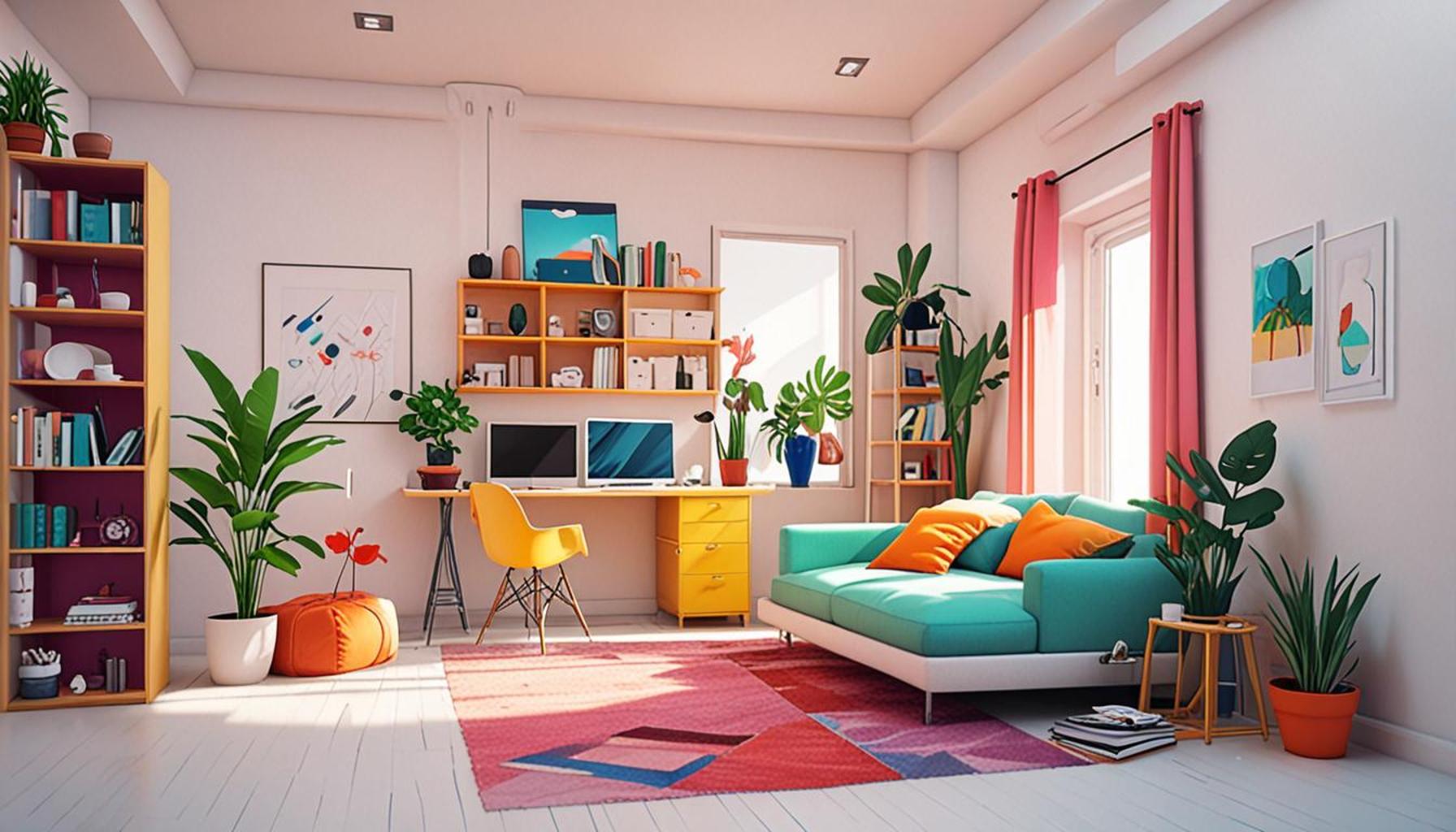
Central to the concept of multifunctional spaces is adaptability. For instance, a living room can transform into a productive home office during the day and revert back to a comfort zone for relaxation and social gatherings by evening. This fluidity serves not only to accommodate various personal activities but also to foster a sense of community and warmth in homes. With so many people working from home, integrating workspaces into everyday environments is more relevant than ever.
Essential Features of Multifunctional Spaces
To effectively create these versatile environments, several key features should be incorporated:
- Adaptability: Every corner of the space should be designed to cater to different activities. For instance, consider movable partitions that can create privacy when needed or open up to allow for a more spacious feel during gatherings.
- Multi-use Furniture: Furnishings such as Murphy beds that fold into the wall, or coffee tables that expand into dining tables, illustrate the innovative approach to space management. Such items not only save room but also add a playful element to the design.
- Decluttered Atmosphere: By adhering to minimalist principles, the design promotes serenity. A decluttered environment not only enhances physical space but also creates an inviting atmosphere that encourages mental clarity, essential in an age of constant distraction.
Inspiration from Real Life
Practical examples of multifunctional spaces abound in today’s homes. A spare bedroom can double as a home office, equipped with a fold-out desk and comfortable seating that makes it viable for both working and resting. Similarly, many urban apartments now feature living rooms specifically designed to transform into personal fitness studios, equipped with folding mats and wall mirrors that can be easily stored away. Kitchens now often boast islands that not only serve as cooking stations but also as dining areas, making meals both enjoyable and efficient.
This growing trend is not merely aesthetic; it speaks to the reality of modern living, where efficiency is key. Embracing multifunctionality encourages a lifestyle that values practicality while rejecting clutter and waste. In discovering how minimalist principles can guide the creation of these spaces, we move towards a future that allows us to live harmoniously with our surroundings. With careful planning and thoughtful design, multifunctional spaces can lead to a balanced existence, showcasing that less truly can be more.
DISCOVER MORE: Click here for tips on efficient storage and digital minimalism
Understanding the Foundation of Multifunctional Design
As urban living continues to evolve, the need for multifunctional spaces has never been more crucial. In an era defined by limited square footage and rising real estate costs, the challenge is to create spaces that not only serve various functions but also look appealing. This versatility can be achieved through thoughtful design that embraces minimalist principles, allowing individuals to optimize their environments while ensuring comfort and style.
At the core of multifunctional spaces is the idea that each element should serve more than one purpose. This is particularly important in small apartments or homes rife with constraints. For such spaces, smart architecture can transform a cramped area into a fluid environment. For example, a single room can be a bedroom at night, a home office during the day, and even a guest room on occasion. The key lies in flexibility; spaces must be designed to permit easy transitions between uses without sacrificing aesthetics or functionality.
Design Elements that Encourage Versatility
When aiming to create versatile environments, there are several design elements to consider:
- Flexible Layouts: Open floor plans are gaining popularity as they allow residents to restructure their space according to need. By minimizing walls and fixed partitions, a living area can be utilized for multiple purposes—like entertaining friends one moment and focusing on work the next.
- Smart Technology: The emergence of smart home technology has aligned perfectly with the multifunctional design ethos. Digital assistants, smart lighting, and automated furniture can be programmed to transform spaces according to user preferences, ensuring that functionality and convenience are intricately connected.
- Sustainable Choices: In addition to adaptability, incorporating eco-friendly materials and energy-efficient appliances reflects a commitment to sustainability. These elements not only enhance the appeal of multifunctional spaces but also contribute to a more responsible lifestyle, which many urban dwellers seek today.
The incorporation of these features addresses a fundamental challenge in modern living: how to maximize utility while minimizing clutter. By embracing a simplified aesthetic, individuals can create environments that not only serve multiple functions but also promote a sense of peace. This is particularly pertinent in a world filled with distractions; a streamlined design can lead to enhanced productivity and relaxation alike.
The ongoing drive towards multifunctional spaces signifies a shift in how we perceive our living environments. With each element carefully considered and designed for flexibility, the transition to a more adaptable lifestyle is not only possible but has become a necessity for many urban residents. By leveraging minimalist principles, we cultivate spaces that resonate with both practicality and beauty, ultimately enriching our modern lives.
| Category | Description |
|---|---|
| Space Flexibility | Utilizing adaptable furniture and layouts allows spaces to serve multiple purposes, maximizing functionality. |
| Aesthetic Minimalism | A minimalist design fosters calm environments that enhance focus and creativity in multifunctional spaces. |
The concept of multifunctional spaces embraces the synergy of design and utility. By emphasizing space flexibility, interiors can transform effortlessly to accommodate various activities—from work to leisure. This adaptability not only enhances the aesthetic appeal but also increases efficiency, making every square foot count. Incorporating furniture that is easy to move and reconfigure encourages organic usage patterns, inviting collaboration and innovation.On the other hand, the principle of aesthetic minimalism eliminates visual clutter, resulting in environments that promote mental clarity. This allows individuals to remain focused and fosters a sense of tranquility. By marrying minimalism with functionality, spaces encourage mindfulness, creativity, and productivity, inviting users to explore the endless possibilities of their surroundings. These aspects are fundamental in creating versatile environments that embody the very essence of modern living.
EXPLORE MORE: Click here to start your minimalist journey
Enhancing Lifestyle Through Multifunctional Spaces
As the demand for multifunctional spaces continues its upward trajectory, it becomes increasingly important to understand how these designs can fundamentally enhance day-to-day living. The strategy of creating versatile environments does not merely serve functional purposes; it also considerably boosts the quality of life. By utilizing minimalist principles, individuals can cultivate a space that supports a harmonious blend of work, relaxation, and socialization, addressing the diverse needs of modern lifestyles.
Incorporating Multi-Purpose Furniture
One of the cornerstones of multifunctional design lies in the integration of multi-purpose furniture. This concept has gained traction as furniture manufacturers embrace innovation that enables products to transform with user needs. For example, sofa beds serve as both seating and sleeping arrangements, making them ideal for small apartments or studio living. Dining tables that expand to accommodate guests further illustrate this point, allowing for entertaining while still remaining compact for everyday use.
In the realm of offices, height-adjustable desks have gained immense popularity. They allow individuals to transition seamlessly between sitting and standing, promoting healthier working habits without sacrificing space. In smaller homes, this kind of adaptability ensures that areas can serve dual roles without overwhelming the user with visual clutter or compromising comfort.
Strategic Use of Zones
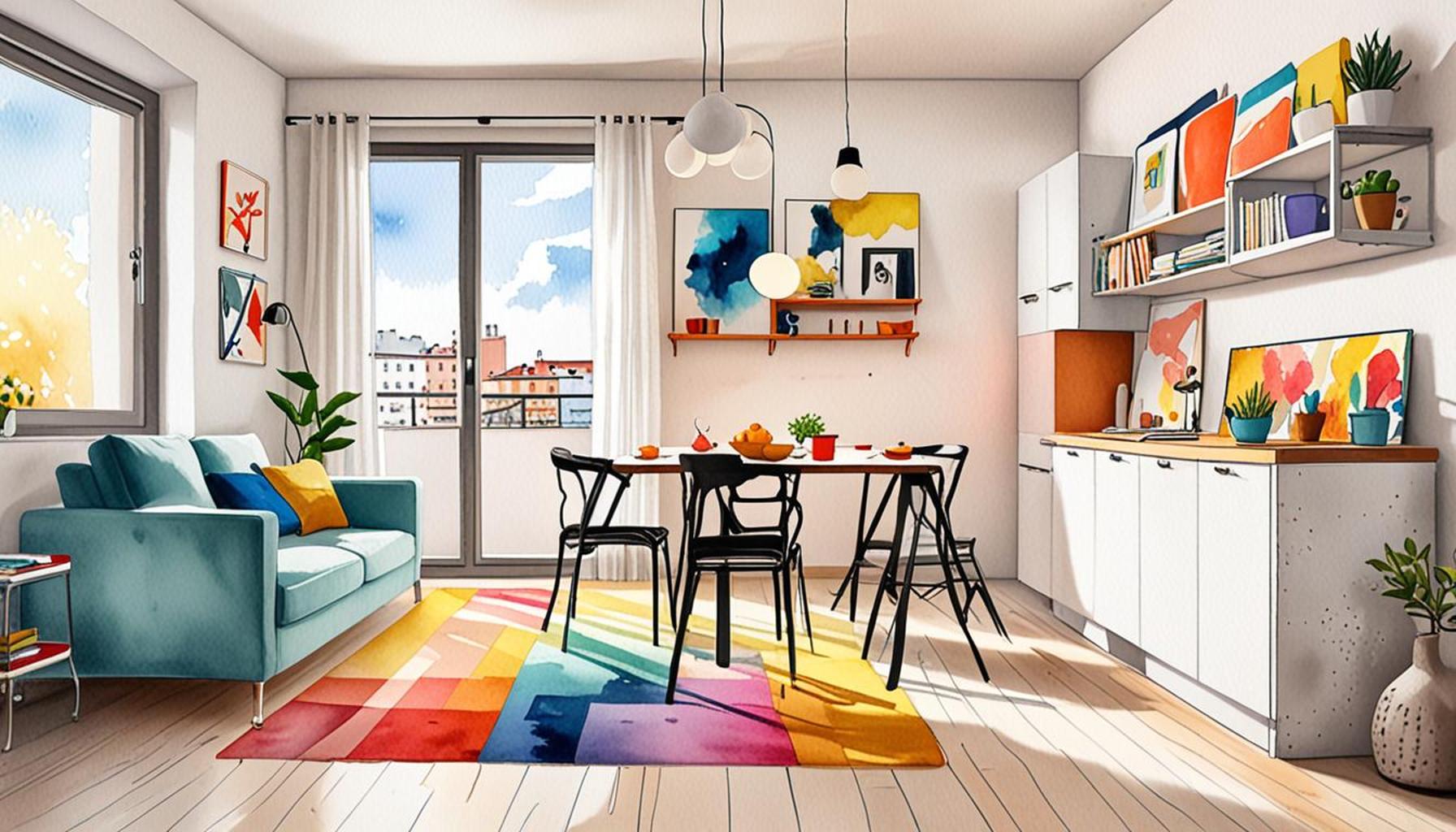
The concept of zoning is another fundamental aspect of multifunctional spaces. By using distinct areas for different tasks within a single room, homeowners can create an environment that feels organized and efficient. For instance, a living room can be divided into a reading nook, a workspace, and an entertainment area using area rugs or strategically placed bookshelves. This division helps delineate functions without requiring physical barriers, preserving an open atmosphere that aligns with minimalist principles.
- Color Schemes: Utilizing a cohesive color palette throughout the space can further enhance the sense of unity and calm. Lighter colors can make small areas feel larger and are often associated with minimalist design.
- Lighting Solutions: Adjustable lighting solutions—such as dimmable LED lights—allow for changing the mood of a space easily. Bright white lighting works for tasks, while softer, warmer tones can facilitate relaxation.
- Storage Solutions: Innovative storage options, like under-bed drawers or modular shelving units, are essential for maintaining a neat appearance. These solutions cleverly hide clutter, allowing for a serene environment that embodies the essence of minimalism.
Such considerations illustrate the profound impact of effective zoning in multifunctional designs. By approaching the design with a clear understanding of how spaces will be utilized, individuals can create carefully curated environments that are both inviting and functional.
Fostering Community Interaction
Beyond individual benefits, multifunctional spaces play a pivotal role in fostering community interaction. Particularly in urban settings, shared spaces that accommodate social gatherings, workshops, or casual meet-ups create opportunities for connection. Co-working spaces, for example, focus on merging professional environments with social possibilities, promoting networking while enabling productivity.
As cities increasingly prioritize community engagement, design principles that facilitate such environments become even more critical. Residents are drawn to areas that not only maximize their living space but also enrich their social and professional lives. Ultimately, the advancements in multifunctional design are transforming urban landscapes into vibrant hubs where versatility and community coexist harmoniously, enabling life in all its complexity.
DIVE DEEPER: Click here to enhance your productivity
Conclusion: Embracing the Future of Multifunctional Design
In conclusion, the evolution of multifunctional spaces reflects a profound shift in how we envision living and working environments. As urban areas face increased density and limited square footage, the significance of creating spaces that serve multiple purposes while adhering to minimalist principles becomes even more critical. This design philosophy not only addresses the immediate need for functionality but also enhances the overall experience of life by cultivating an atmosphere of tranquility and efficiency.
The integration of multi-purpose furniture alongside strategic zoning allows individuals and communities to adapt their environments to meet diverse needs without sacrificing style or comfort. Simple elements such as cohesive color schemes, innovative storage solutions, and adjustable lighting can transform an ordinary space into a sanctuary that supports productivity, relaxation, and social interaction.
Looking ahead, the trend towards multifunctional design will likely continue as more people seek a balanced lifestyle that harmonizes personal and professional demands. As these concepts gain traction, we encourage readers to explore the possibilities within their own spaces. Whether it’s through a thoughtful reconfiguration of existing environments or the incorporation of new furniture, the potential for creating versatile, serene living and working areas is limited only by one’s imagination.
Ultimately, multifunctional spaces present an opportunity to not only enhance individual lifestyles but also to foster community connections. As we embrace this design approach, we pave the way for enriched living—one where versatility and minimalism coexist beautifully, becoming integral to the urban experience of tomorrow.