Organization of Spaces in Small Apartments: Minimalist Solutions for Comfortable Living in Reduced Areas
Maximizing Comfort in Minimalist Spaces
Living in a small apartment can present unique challenges, particularly when it comes to organization of spaces. With increasing urbanization, many Americans find themselves in cozy dwellings where every square foot counts. Utilizing minimalist solutions can transform these compact areas into vibrant living spaces that feel expansive and welcoming.
To create a comfortable environment, it is essential to consider smart storage solutions. This can range from under-bed storage containers to vertical shelving units that make the most of wall space. For example, a bed with built-in drawers can serve as a dual-purpose piece—offering both a comfortable resting place and storage for seasonal clothes or extra bedding. Additionally, furniture that incorporates storage, like ottomans or coffee tables with compartments, can further help keep clutter at bay.
Another crucial aspect of achieving comfort in small spaces is the use of color schemes and lighting. Light color palettes, such as whites, creams, and pastels, can create an illusion of spaciousness. Pairing these colors with strategically placed mirrors can amplify natural light, making a room feel airy and larger. Furthermore, the right lighting can play a pivotal role. Smart LED strips or dimmable lights can add a cozy ambiance while allowing inhabitants to customize their environment according to the time of day or occasion.
The concept of flexibility in design is equally important. Furniture that can be easily reconfigured—such as modular sofas or extendable dining tables—enables individuals to adapt their space for different activities. For instance, a coffee table that transforms into a dining table can accommodate both leisure time with friends and intimate meals without requiring additional furniture.
Minimalism is not merely a design choice; it’s a lifestyle that fosters simplicity and calm in the midst of clutter. Embracing this concept can lead to a more organized, efficient, and peaceful living experience. To further enhance your living space, consider functional layouts that promote flow. Position furniture to create distinct areas for work, relaxation, and socializing, ensuring that each section of your apartment feels purposeful.
In addition to organizing furniture, employing decluttering techniques will ensure only essentials remain. Regularly evaluating belongings and letting go of items that no longer serve a purpose can provide a renewed sense of space. Techniques such as the Marie Kondo method encourage individuals to assess the emotional value of their items, keeping only those that “spark joy.”
Finally, incorporating plants and natural elements can significantly boost well-being and enhance the overall aesthetic of minimalist spaces. Plants not only purify the air but also add a touch of life that can make a small apartment feel welcoming and vibrant. Even small succulents or hanging plants can contribute to a serene atmosphere, bridging the gap between indoors and outdoors.
By integrating these strategies within your compact living space, you can create a harmonious sanctuary that reflects your personal style while maximizing comfort. Whether it’s through innovative storage, thoughtful design, or a touch of nature, small apartments can indeed offer an expansive and inviting ambiance.
DIVE DEEPER: Click here to discover advanced decluttering techniques
Smart Storage: The Key to Space Optimization
One of the most effective strategies for maximizing space in small apartments is to implement smart storage solutions. The modern lifestyle often requires an array of belongings, from seasonal clothing to books and sentimental items. However, without adequate storage, these essentials can quickly lead to clutter, making the available space feel even smaller. Here are some innovative storage solutions that can help you reclaim your apartment:
- Under-Bed Storage: The space beneath your bed can provide a perfect hiding spot for items you don’t use daily, like winter coats or extra linens. Utilize bins or drawers that slide effortlessly under your bed frame, allowing you to keep things organized and out of sight.
- Wall-Mounted Shelves: When floor space is limited, look upwards. Wall-mounted shelves can display books, decorative items, or plants, offering functionality while drawing the eye upward, thus creating an illusion of height in the room.
- Multi-Functional Furniture: Seek out furniture pieces designed for adaptability. From sofas that convert into beds to coffee tables with hidden storage compartments, multi-functional furniture allows you to maximize the use of every piece while keeping the design minimalist.
- Foldable and Extendable Options: Furniture that can be easily stored away or expanded as needed can be a game-changer. For instance, a dining table that folds down when not in use can free up significant space for other activities.
- Vertical Solutions: Utilize tall bookcases or cabinetry that takes full advantage of vertical space. This can help to centralize items in one area rather than scattering them throughout your apartment.
Implementing these intelligent storage options will not only free up precious floor space but will also lead to a visually appealing environment where everything has its designated place. By investing in functional storage ideas, small apartments can be transformed into well-organized, uncluttered sanctuaries.
Emphasizing Natural Light and Color
Another crucial component of effectively organizing small spaces lies in creating an atmosphere that feels open and inviting. The strategic use of color schemes and lighting can significantly alter the perception of space. Opting for lighter colors, such as soft hues of white, beige, or pastel shades, can help reflect more light, enhancing the airy feeling of the room.
Similarly, lighting plays a vital role in achieving a sense of spaciousness. Natural light should be maximized as much as possible—keep windows free of heavy drapes and consider sheer curtains that allow sunlight to filter in while preserving privacy. Additionally, layered lighting using floor lamps, wall sconces, and table lamps can create an inviting ambiance, providing warmth and depth to the decor.
By optimizing both storage and light in a small apartment, residents can achieve a harmonious environment that fosters comfort while embracing minimalist living. As you delve deeper into the nuances of small space organization, keep in mind that each decision should reflect not only aesthetic appeal but also functionality. After all, in the world of small apartments, creativity and practicality must go hand in hand.
Innovative Storage Solutions
In small apartments, maximizing every inch of space is crucial. Multifunctional furniture is a game-changer, providing both seating and storage without overwhelming the room. For instance, ottomans or coffee tables with hidden compartments can efficiently organize items while maintaining a clean look. Wall-mounted shelves can also help utilize vertical space, creating an airy feel while displaying decor or books.
Flexible Room Dividers
Open floor plans are common in small apartments, yet they may lack privacy. Flexible room dividers, such as curtains or folding screens, can create distinct zones within the space. Not only do they add privacy, but they also contribute to the aesthetic by adding texture and color to your environment.
Color and Light Optimization
Light colors like whites and pastels can make a small area feel larger and more inviting. Consider using mirrors to reflect natural light; they amplify brightness and visually expand the space. Accessories like light curtains can enhance this effect, allowing for both privacy and openness.
| Storage Solutions | Features |
|---|---|
| Multifunctional furniture | Serves dual purposes, maximizing space efficiency. |
| Wall-mounted shelves | Enhances vertical storage while keeping floor space clear. |
Thoughtful Layout Planning
Effective space organization also relies on the layout. Strategic placement of furniture ensures ease of movement while enhancing functionality. For example, positioning larger furniture pieces against the wall leaves central areas open, making the apartment feel less cramped. Create a flow that feels natural and intuitive, allowing each zone in your apartment to be both inviting and purposeful.
Embracing Minimalism
Ultimately, embracing a minimalist mindset is key to thriving in a small apartment. This approach encourages the selective acquisition of items, focusing on the essentials that truly enhance your living experience. Adopting a “less is more” philosophy can lead to a more serene and organized home that suits your lifestyle perfectly.
DISCOVER MORE: Click here to start your minimalist journey
Creating Zones for Functionality and Flow
In small apartments, the challenge often lies in balancing functionality with comfort, especially when space is at a premium. One of the best ways to achieve this balance is through defining zones within your living area. Carefully delineating spaces for different activities not only maximizes the use of available area but also fosters a sense of purpose for each corner of your home. Here are some effective strategies for creating zones:
- Open-Concept Living: If your small apartment features an open layout, consider using furniture to create natural boundaries between areas. A strategically placed sofa or a decorative screen can separate the living room from the dining area, making each space feel more distinct without the need for walls.
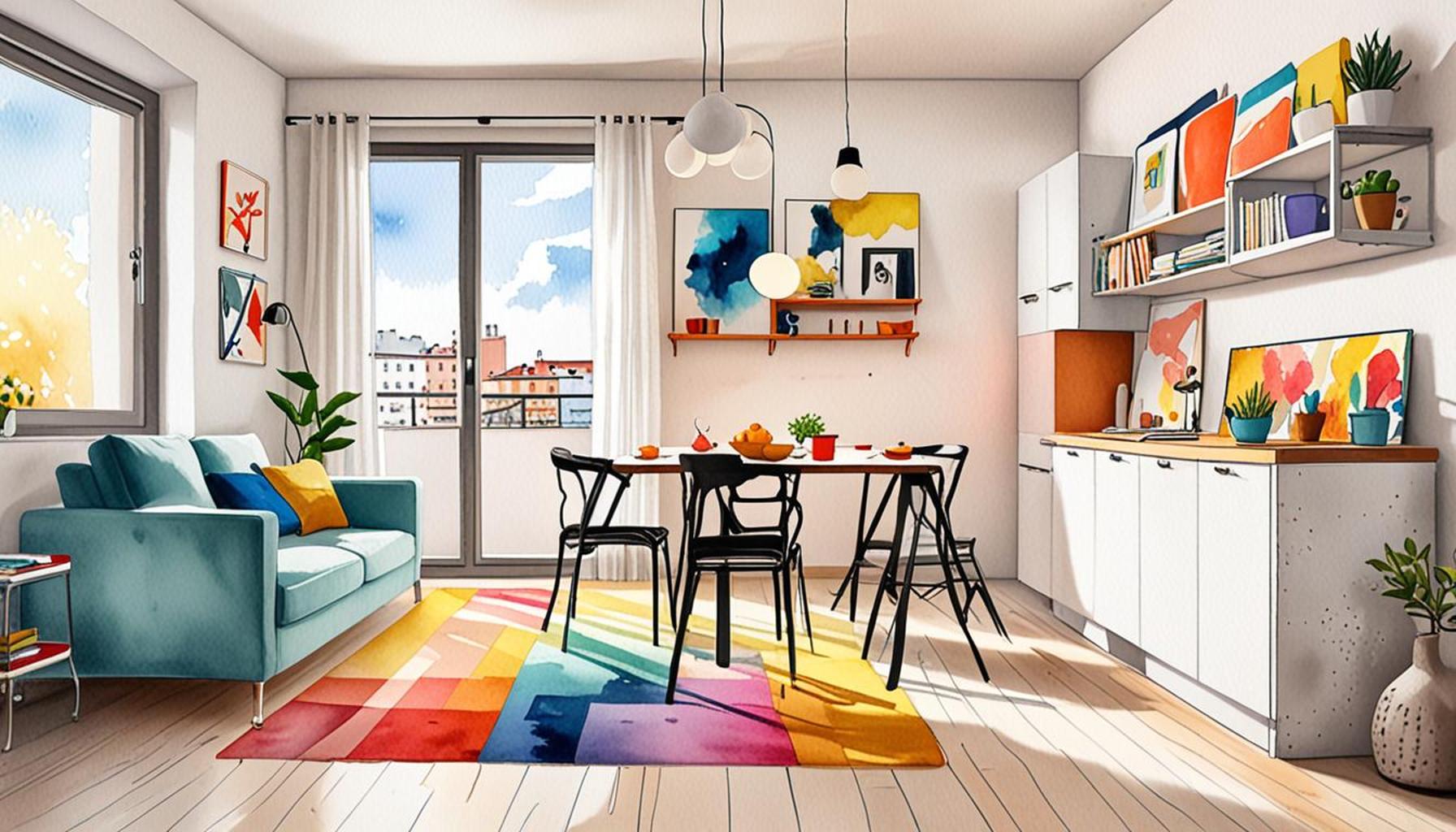
- Area Rugs: Incorporating area rugs can visually define different zones while adding warmth and texture. A cozy rug under the coffee table can signify a relaxed living space, whereas a dedicated mat under the dining table can set the tone for meals and gatherings.
- Niche Decorations: Utilize wall art or decor that emphasizes the theme of each zone. For example, hang framed photos in the living area to create a sense of personal connection, while using functional art pieces, like a chalkboard or calendar, in a workspace to encourage productivity.
- Color Blocking: Use contrasting colors on walls or decor items to further distinguish different zones. This technique can add a dynamic flair to your small apartment, as well as improve the flow between spaces by suggesting a transition.
By defining distinct areas, you not only enhance the organization of your apartment but also foster an environment that supports the varied activities of daily life. Personalized zones can inspire focus at work, promote relaxation while unwinding, and create a welcoming area for entertaining friends.
Incorporating Minimalist Aesthetics and Accessories
The minimalist design philosophy emphasizes ‘less is more,’ which can be highly effective in small living spaces. A few essential elements can create a balanced aesthetic that is both functional and visually appealing. Embracing minimalist aesthetics will help keep your apartment feeling open and uncluttered. Here are some design principles to consider:
- Choose Quality Over Quantity: Invest in fewer, but higher-quality pieces that will last and serve multiple functions. A carefully selected dining chair, for example, can double as extra seating for guests or workspace when needed.
- Simplify Decor: Rather than cluttering surfaces with knick-knacks, select a few statement pieces that resonate with your personal style. This approach not only preserves valuable space but also encourages a greater appreciation for each item in your apartment.
- Use Mirrors Strategically: Hanging mirrors can create an illusion of more space and reflect light, further brightening dark corners of your apartment. Positioning mirrors opposite windows can enhance the natural light that filters through.
- Declutter Regularly: Adopting a minimalist mindset means embracing decluttering as a continuous process. Set a schedule to evaluate your belongings, removing items that no longer serve a purpose or bring joy.
By applying minimalist design principles and focusing on effective organization, small apartments can transform into stylish and comfortable living spaces. By following these suggestions, residents can enjoy a functional, aesthetically pleasing environment that maximizes every square inch of their homes.
DIVE DEEPER: Click here for essential tips
Conclusion
In the dynamic landscape of urban living, the organization of spaces in small apartments is more than just a trend; it’s a necessity. Adopting minimalist solutions can revolutionize your experience within limited areas, transforming them into havens of comfort and efficiency. By closely examining how we use space and prioritizing thoughtful arrangement and design principles, we can elevate our day-to-day living.
Fostering distinct zones helps streamline daily activities, while the minimalist approach allows us to appreciate our surroundings without the overwhelm of clutter. Investing in high-quality, multi-functional furniture and implementing design strategies such as color blocking or the strategic use of mirrors not only maximizes aesthetics but can also enhance the overall ambiance of your home.
Moreover, cultivating a habit of regular decluttering ensures that each item in your apartment serves a purpose and brings joy to your life. Ultimately, the organization of small apartment spaces through minimalism delivers a dual benefit: a functional layout and a serene environment. To explore further, consider incorporating these strategies into your living area and observe the positive impact on your lifestyle. Embracing minimalist principles can lead to a more fulfilling and manageable way of life even within the confines of a small apartment.