The Art of Detachment: How the Use of Space Can Transform Your Minimalist Lifestyle

Discovering Freedom Through Space
In a world overwhelmed by possessions and distractions, detachment emerges as a powerful tool for reclaiming clarity and simplicity in our lives. This practice encourages individuals to evaluate their environments critically, promoting a lifestyle that prioritizes peace and mindfulness. By embracing minimalism, one can cultivate a sense of tranquility, not only in physical spaces but also in mental realms.
The core of minimalist living resides in how we manage and interact with our surroundings. Consider the following impactful aspects of space:
- Clutter Reduction: Removing unnecessary items from your home can lead to improved focus and increased productivity. For instance, a study conducted by researchers at the Princeton University Neuroscience Institute found that physical clutter can actually impede your ability to concentrate. By streamlining your possessions, you not only create a cleaner space but also a clearer mind.
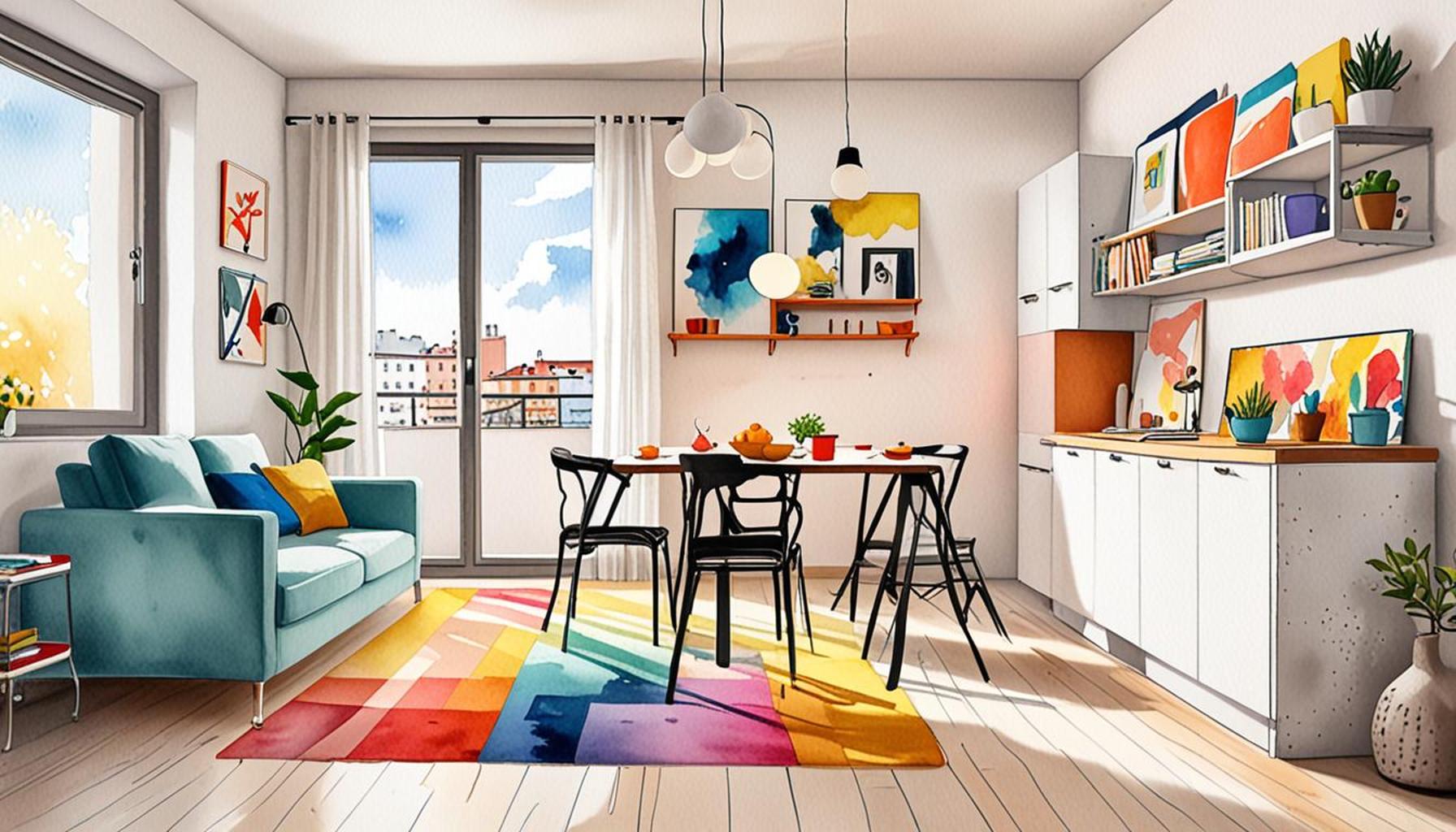
- Organized Layouts: The arrangement of furniture and objects plays a significant role in creating a serene environment. Thoughtfully arranged spaces—such as a living room with a balanced mix of open space and functional furniture—can promote relaxation and reduce stress. Interior designers often recommend keeping pathways clear and ensuring that every piece of furniture serves a purpose, facilitating ease of movement and comfort.
- Intentional Design: Adopting functional decor goes beyond aesthetics; it enhances the purpose of a space. Choosing multi-functional items, such as a coffee table that doubles as storage, reflects an intentional design approach that meets practical needs while contributing to the overall decor.
Utilizing space mindfully encourages a profound shift in lifestyle. Residents across the United States, particularly in urban areas where living spaces are often limited, are discovering innovative ways to transform their homes into comforting havens. Minimalism offers an escape from consumer culture, providing a refreshing perspective on how we live.
This article will guide you through:
- Techniques for creating open spaces: Strategies like using light colors or mirrors to reflect light can make small areas feel expansive.
- Tips on letting go of material attachments: Consider the “one year rule”—if an item hasn’t been used in a year, it may be time to donate or discard it.
- Case studies of successful minimalist transformations: For example, the transformation of tiny apartments in New York City demonstrates how efficient use of space can lead to enhanced living experiences.
Join us on this journey to explore the potential of space in leading a more fulfilling, minimalist life. The art of detachment is not merely about eliminating things; it’s about making intentional room for what truly matters, enabling deeper connections with ourselves and our living environments.

DISCOVER MORE: Click here to learn efficient storage tips
Embracing Open Spaces: Techniques for Transformation
As we delve deeper into the art of detachment, understanding how to create open spaces becomes paramount to cultivating a minimalist lifestyle. A well-organized space not only promotes clarity but also encourages a sense of freedom, allowing individuals to breathe easier and think more clearly. Within urban settings like New York City or San Francisco, where apartments can be notoriously small, the importance of maximizing space is amplified. Here, we outline some effective techniques that can help anyone looking to enhance their living environment.
- Utilizing Light Colors: One of the simplest ways to create the illusion of a larger space is by incorporating light colors into your design scheme. Light shades of paint on walls reflect more light, making rooms feel airier and more inviting. Soft whites, pastels, or light grays can completely transform a cramped room into a haven of tranquility.
- Incorporating Mirrors: Mirrors can be a transformative element in any home. By strategically placing mirrors on walls, you can create depth and make smaller areas feel more expansive. This effect is particularly useful in narrow hallways or small living rooms, providing a visual trick that opens up the environment.
- Creating Multi-Functional Spaces: In a minimalist approach, every square foot should serve a purpose. Think about creating multi-functional spaces where activities can seamlessly flow into one another. For instance, a dining room can transform into a workspace by utilizing foldable furniture. This versatility not only enhances usability but also signifies a pivotal aspect of modern living—functionality without excess.
- Decluttering with Intention: The decision to let go of items requires careful consideration. Adopting the “one year rule” offers a practical approach: if an item hasn’t been used or worn in a year, it’s time to reevaluate its place in your home. This method encourages a mindset of intentional living, prompting individuals to assess what they truly need and value.
As these techniques begin to manifest in your living space, the combined impact can result in a significant psychological shift. As light floods in and spaces open up, you’re not just clearing physical clutter; you’re making room for mental clarity. This process fosters a more mindful lifestyle that aligns with the tenets of minimalism.
Whether you’re a seasoned minimalist or just embarking on this transformative journey, the effective use of space can dramatically enhance your quality of life. It invites self-reflection and a renewed connection to our environments, highlighting the true potential of a well-curated space. With a little creativity and intention, your home can evolve into a sanctuary that embodies serenity and inspires a deep sense of belonging.
| Advantages of Space Utilization | Effects on Minimalist Living |
|---|---|
| Enhanced Focus | A clear space leads to a clear mind, promoting productivity and creativity. |
| Emotional Well-being | Reducing clutter can significantly decrease stress levels and enhance overall happiness. |
| Clarity in Choices | With less distraction, making lifestyle choices becomes more intentional and fulfilling. |
| Aesthetic Appeal | Well-utilized space enhances the visual beauty of living areas, creating a serene and appealing environment. |
Embracing the core philosophy of minimalism involves not just shedding unnecessary physical items, but also rethinking how space is viewed and utilized in our daily lives. By focusing on these aspects, individuals can discover how to leverage the power of space to create a more intentional, fulfilling lifestyle. This transformation encourages a deep dive into self-awareness, prompting practitioners to question what truly brings value to their lives. The journey into minimalism offers not only a path to simplicity but also a deeper appreciation for the moments and items that genuinely matter.
DISCOVER MORE: Click here to transform your life
Redefining Boundaries: The Power of Intentional Design
As we explore the art of detachment, it becomes evident that intentional design is critical in shaping how we interact with our living spaces. The essence of minimalism lies in embracing simplicity, and a well-thought-out design can play a significant role in achieving this. By redefining boundaries within a home, you can transform not only your physical surroundings but also your overall mindset.
- Incorporating Nature: Bringing natural elements into your home can profoundly influence your well-being. Incorporating plants or natural materials like wood and stone can evoke a sense of tranquility and connection to the outside world. Numerous studies have shown that biophilic design—connecting spaces with nature—reduces stress and enhances productivity, making it a vital aspect of minimalist living. Consider creating a small indoor garden or enhancing your space with natural light through strategic window placements.
- Establishing Zones: In an open-plan layout, defining zones can foster a sense of order and purpose. Use rugs, furniture arrangements, or even decorative screens to create distinct areas for various activities like relaxing, working, or entertaining. This approach can help minimize distractions and allow for more focused interactions, aligning perfectly with the principles of intentional living.
- Mindful Decor Choices: Every item in your home should be a reflection of your values and lifestyle. Embrace fewer pieces that have more meaning. Invest in high-quality decor that resonates with your aesthetic rather than filling your space with novelty items. This can foster a deeper emotional connection to your environment, as each piece holds significance and encourages appreciation for the present moment.
- Digital Detox Zones: As technology increasingly infiltrates our lives, creating digital detox zones within your home can be a valuable practice. Designate areas free from screens where you can engage in mindfulness activities, like reading or meditating. This simple act of establishing physical boundaries helps cultivate a more intentional lifestyle, allowing for mental clarity away from the distractions of the digital world.
Implementing these design principles fosters a nurturing environment that promotes your journey toward minimalism. Research indicates that individuals who engage with their spaces in this way report improved mental well-being and increased creativity, demonstrating the direct link between our surroundings and our inner lives. With intentional design, you are not merely altering decor; you are redefining the very essence of how you experience your home.
As this transformation unfolds, the concept of space evolves beyond mere physical dimensions. It becomes a canvas for growth and reflection, enveloping you in an environment that supports your aspirations and values. The art of detachment, therefore, extends beyond decluttering—it’s a holistic approach that reimagines your relationship to the spaces you inhabit.
LEARN MORE: Click here to discover mindful living tips
Embracing Space for a Transformed Lifestyle
In conclusion, mastering the art of detachment involves much more than simply reducing clutter; it requires a thoughtful engagement with the spaces around you. The intentional design choices you make can significantly enhance your minimalist lifestyle, encouraging a profound shift in how you perceive and interact with your environment. By embracing the principles discussed—such as incorporating natural elements, establishing functional zones, selecting mindful decor, and creating areas free from digital distractions—you cultivate a sanctuary that resonates with your values and aspirations.
Evidence suggests that aligning your physical space with your mental framework leads to improved emotional well-being and greater focus. Every curated element within your home serves as a reminder to cherish the present moment, fostering a deeper connection to your living space. As you continue on this journey, consider the potential of your environment not just as a backdrop but as an active participant in your personal growth.
In this exploration of space, you discover the transformative power it has to redefine not just the aesthetic aspects of your home, but your relationship with yourself and others. Whether you’re an experienced minimalist or just beginning to explore this lifestyle, understanding the impact of space can empower you to create an enriched, intentional life. Embrace the art of detachment: let your surroundings reflect the serenity and clarity that minimalism promises, and watch as your life transforms.